Category News

Wellingara Health Centre: the full story

In 2016 we were approached by a UK charity called 1-3, requesting our assistance and advice. They had seen on our website that we were running a number or schools and a health centre.

Their trustees were getting older and had been unable to visit Gambia for some years. Although they had given five year’s notice to the Gambian Partner Charity called CIS (Community Initiative Support) to prepare to become more self-sufficient, there had been little or no progress. If anything, the numbers of employees for which they expected to receive monthly funding had increased, as had their requests for more money for repairs solar batteries, fans, lab equipment etc.

Our trustees had several meetings with 1-3 trustees, two of whom made a final visit to Gambia in 2018, which included a visit to see how the Jappineh Health Centre was being managed.

At that point, they decided to wind up 1-3 and hand over their projects and residual funds to the African Oyster Trust.
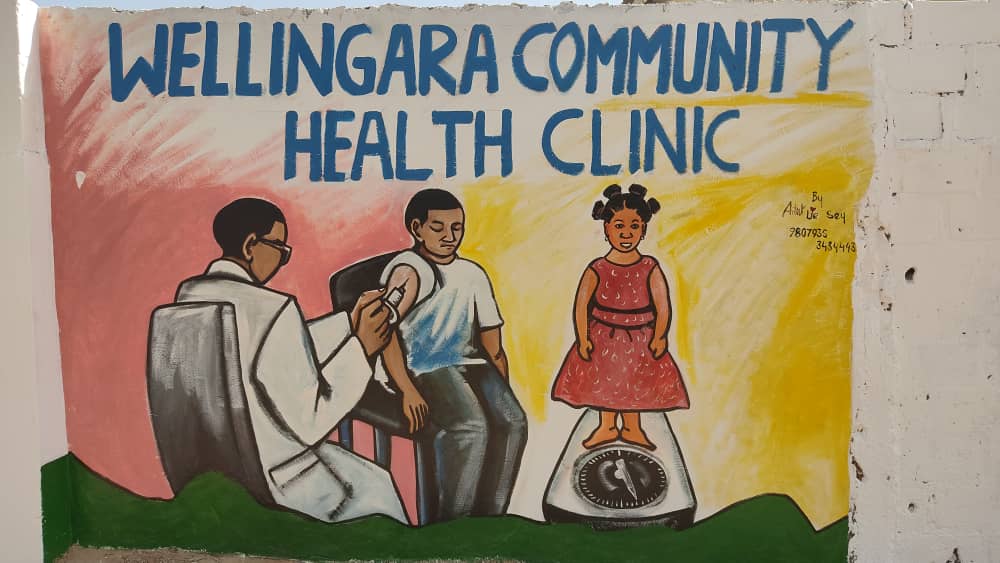
We had already identified that we would not be able to engage with their school under its current head teacher, so some final maintenance was carried out and the relationship ended.

At the health centre, it was equally clear that quite a lot of the previous funds had been misappropriated, leaving a bank balance of just D2,000, this after almost ten years of operation! In addition, the previous administrator had vanished altogether, taking with him an ambulance which had been donated to them by a Dutch charity.

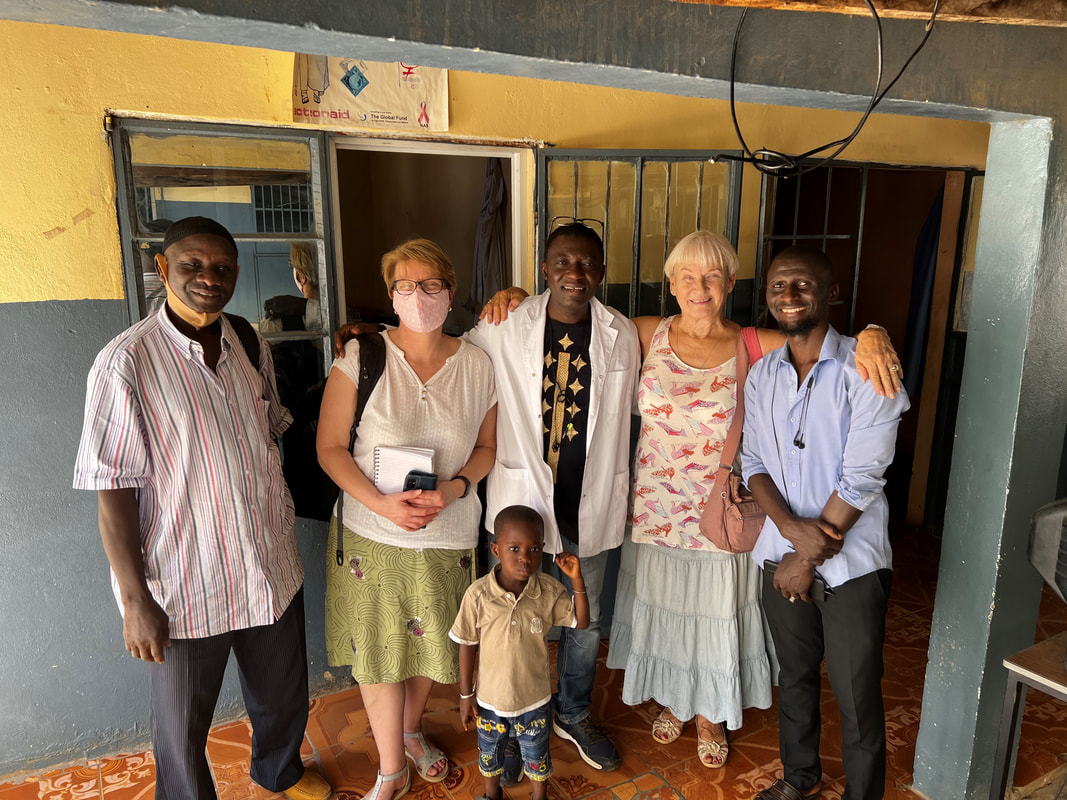
We quickly appointed Buba Dampha as the new administrator and we immediately made nine staff redundant, many of them surplus cleaners and unspecified hangers on! We were fortunate enough to recruit Dembo Njie, a very skilled and experienced SRN and excellent manager, to be in charge. The one other remaining part time nurse/midwife was kept, as were the lab technician and watchman plus just two of the cleaners. Obviously the ambulance driver was made redundant since the ambulance never was found. Three of the staff turned up in the UK and one in Turkey. The cost of their airfares would definitely go some way to explaining the cash shortfall.

From the first half year that Dembo Njie was in charge, the clinic was completely transformed. In their first full year they took over D700,000 dalasis, enough to pay the remaining staff and have enough left over to fund half of the medicines required for the following year. A commendable effort by everyone!

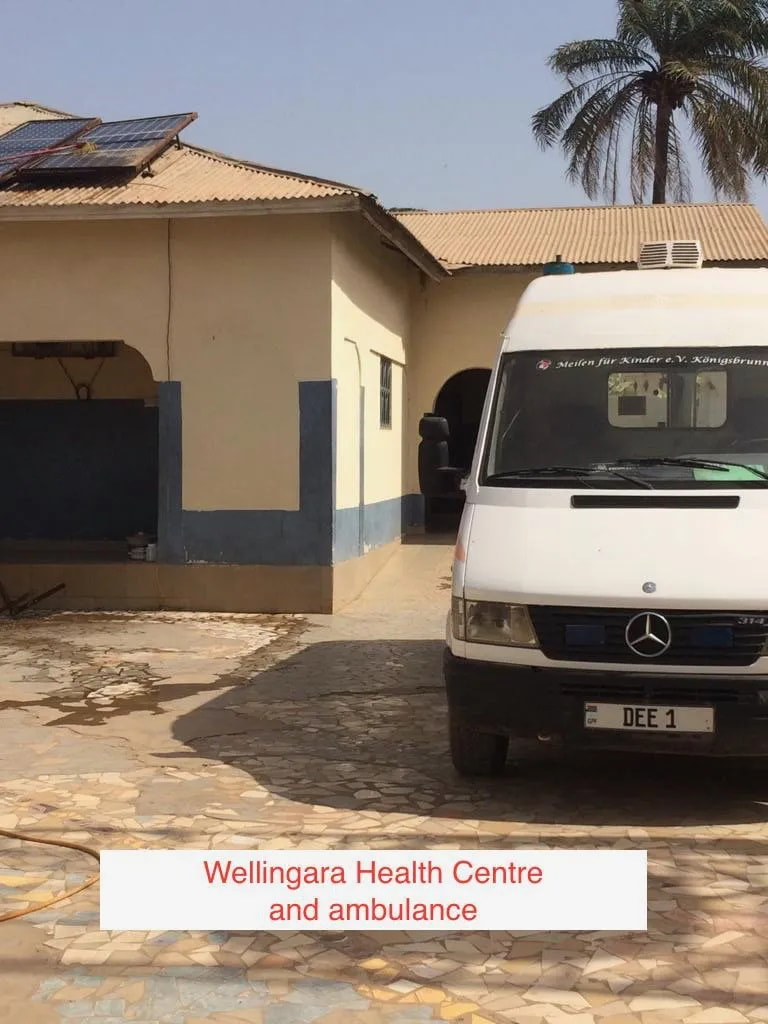
During a visit by then-AOT trustee Dee Bixley, we found an old ambulance at a local garage, which we were able to purchase with funds Dee has raised from a UK Foundation and have it refurbished ready to use. A new driver was recruited, meaning we are once again able to do deliveries and urgent referals to Fajikunda safely.
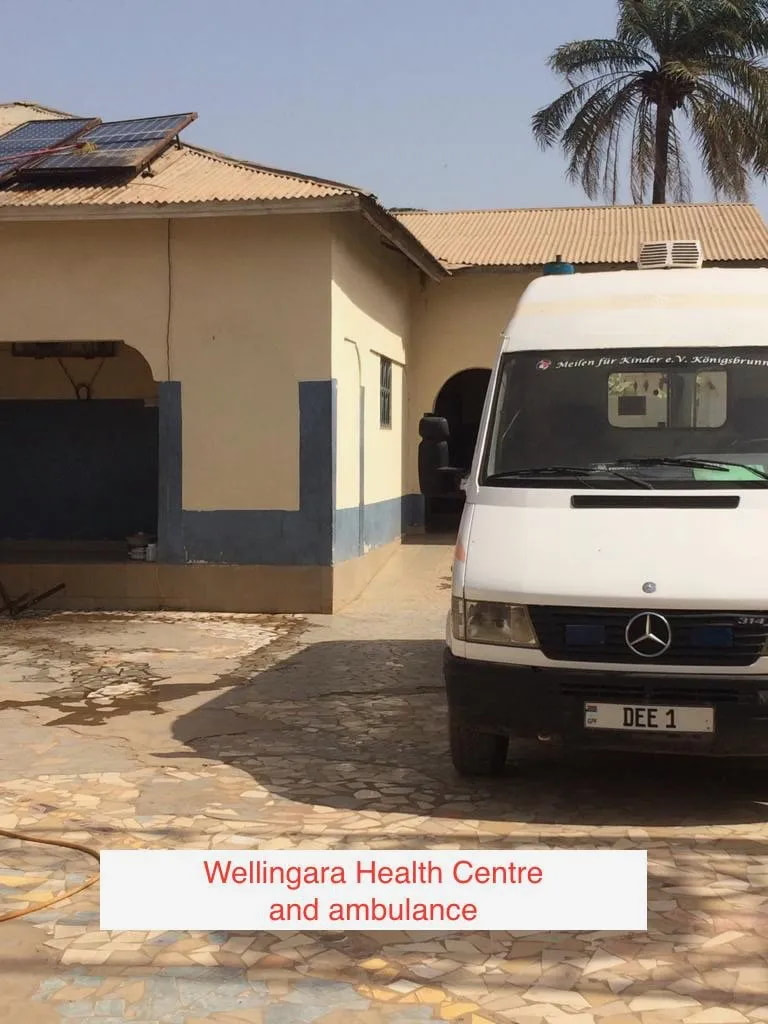
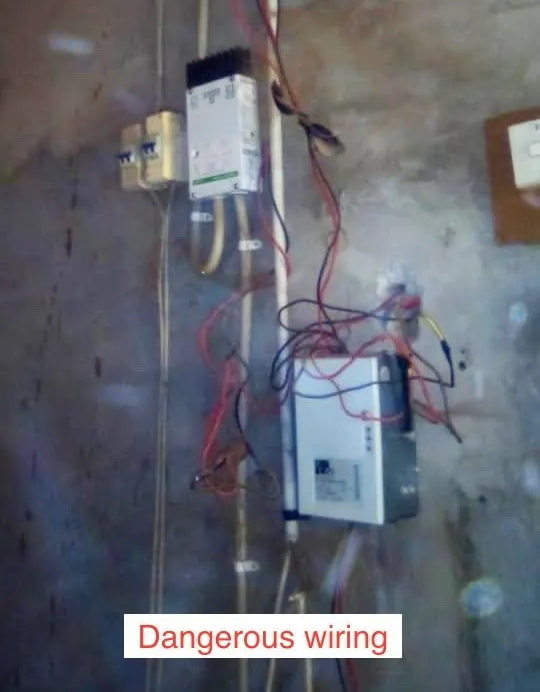
A recurring problem has been that due to the previous regime doing everything on the cheap, presumably so they could pocket the difference from the huge sums 1-3 was sending them, so we inherited a series of maintenance issues. The most serious of these was the electrical installation.

The health centre has both solar and NAWEC (mains cash meter power). From the start we noticed that solar batteries were not lasting nearly as long as they should and that the use of  cash meter power was much higher than expected. Several engineers came to look and each first suggested buying new batteries or charge controllers, each costing upwards of D15,000.

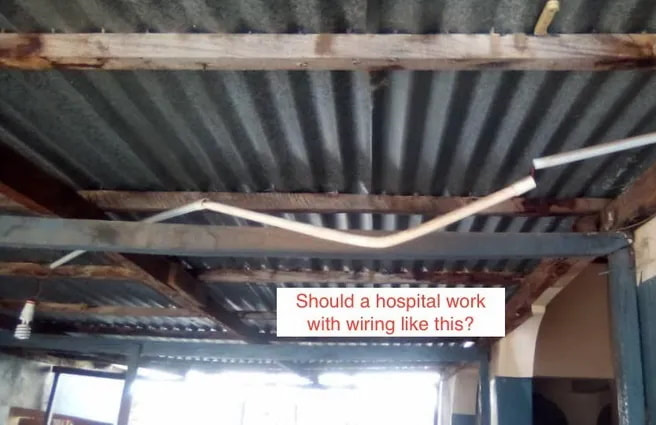
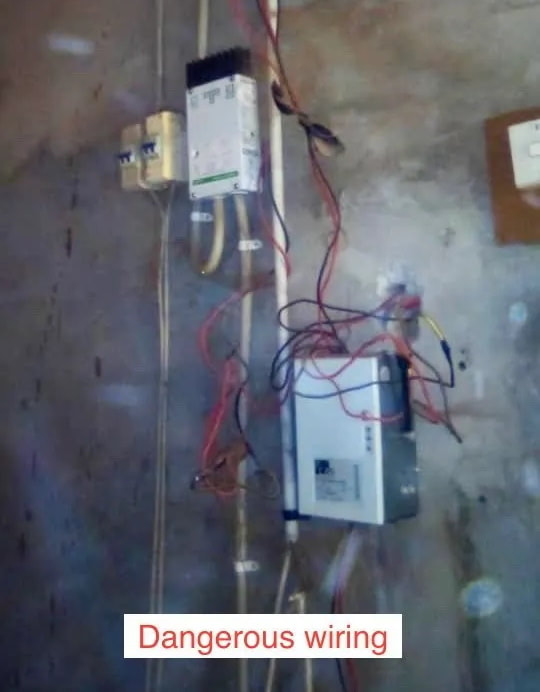
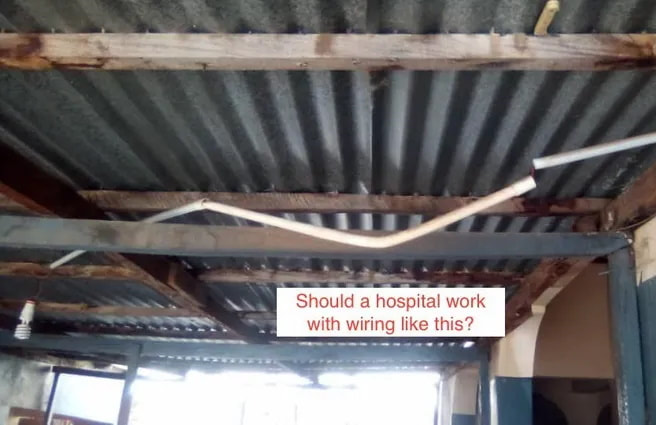
We finally found a highly recommended electrical engineer who thoroughly inspected the wiring. What he found was quite shocking and potentially lethal!
The solar and mains bare wires were all lying on top of each other, entangled like spaghetti on the wooden ceiling! An obvious major fire hazard, especially with rainy season approaching. None of the wiring was in conduit. Many of the light fixtures were hanging from bare wires. The one area which did have conduit, the outdoor waiting area, it was broken and in bad shape. Most of the circuit breakers had blown or been disabled. Obviously the system was often shorting out which was the reason for the solar batteries being blown (very costly at D15,000 each, those last 5 to 6 years each at Jappineh, for example).
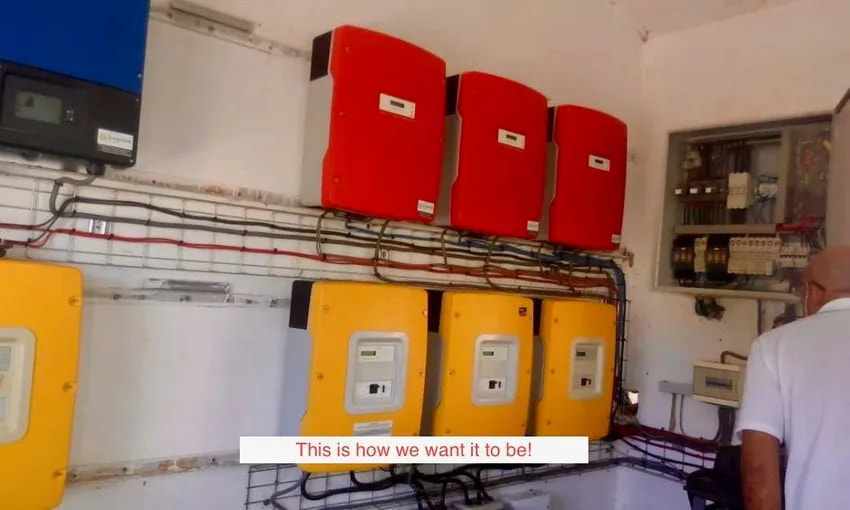
Through a combination of fundraising in the 2021 Big Give campaign – thank you everybody who donated – and a generous contribution from the German NGO – known in English as Electricians without Borders – both the solar and mains electricity is now fully functional.

Wellingara continues to thrive under the skillful management of Dembo Njie assisted by Buba Dampha. This year their turnover will be in the region of D1 million. Enough to pay all of their own staff and to make a substantial contribution to their cost of replacing medication. We will continue to help with the additional medicines purchasing and ambulance running costs for the forseeable future.
Christmas appeal – a meal for every pupil for a whole year

This Christmas we are working with Gambia School Support to raise £14,000 to provide a meal for 1,400 nursery age pupils every school day for a year.
Brilliantly, we have found supporters who will MATCH FUND every donation you make, to help us reach this target.
CLICK HERE TO DONATE on our supporter page, or scroll on to read more.
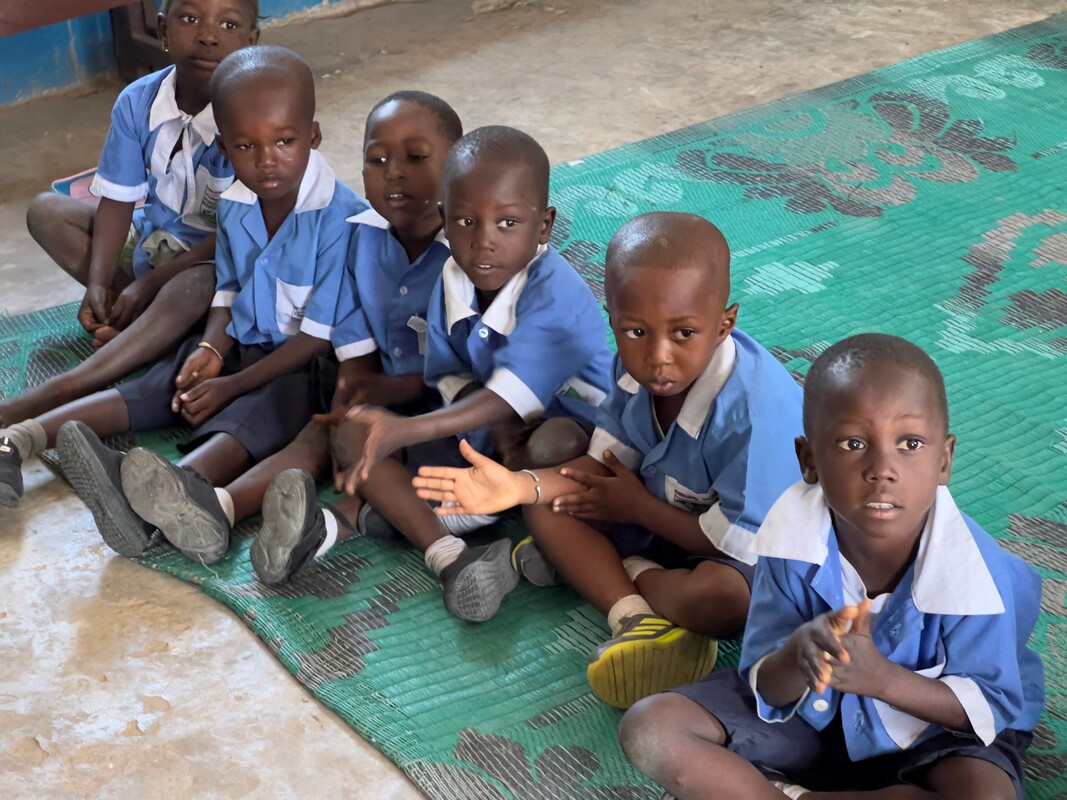
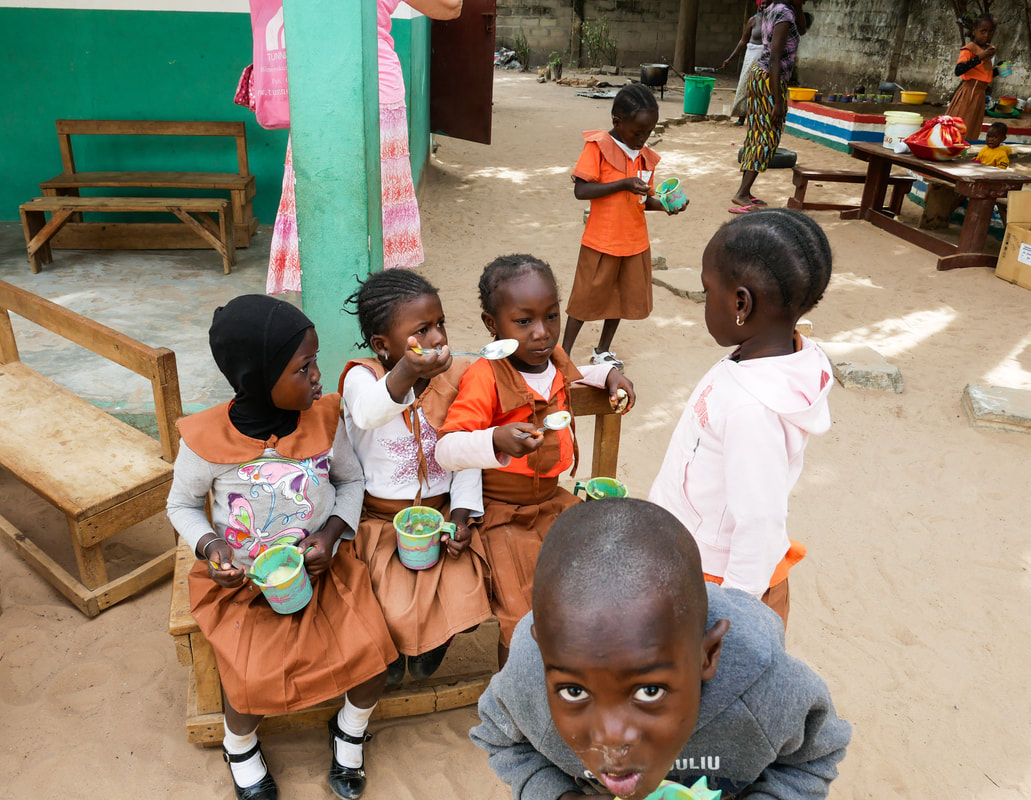
Each bowl of porridge costs just 5p, or £10 per pupil per year. This nutritious porridge recipe contains rice/couscous/cornmeal, banana, peanut, and milk powder.

This programme has so many benefits and positive outcomes:

  1. Many children come to school hungry with little or no breakfast, consequently their concentration and ability to learn is undermined
  2. Providing a bowl of nutritional porridge ensures the pupils optimise the education GSS helps provide.
  3. This program greatly improves the attendance of both pupils and staff, getting the day off to a good start
  4. The children’s general health and well-being is improved.
  5. The cooks are local women who need these wages, giving them a measure of independence
  6. The ingredients are all produced in The Gambia, partly by the village, thereby helping the local economy.

Please give what you can today, by following the instructions on our Donation page at www.africanoystertrust.co.uk/support-us

And please contact AOT trustee Josh Dale-Harris on [email protected] with any questions you might have about this important fundraising initiative.

17th AGM – Minutes & Report

The 17th Annual General Meeting of the African Oyster Trust was held on Sunday 16th October.


Bringing friends, supporters and trustees together by Zoom, the formal proceedings of the AGM were followed by an update from Lady Kira Dalton on developments at the charity and in Gambia over the last 12 months.


Click below to download and read the minutes of the AGM, and Kira’s report to the meeting.

AoT AGM 2022 – Minutes
File Size: 101 kb
File Type: pdf

Download File


Kira’s AGM Report 2022
File Size: 101 kb
File Type: pdf

Download File


Heading up-country – a Trustee reports from Gambia

A report by Josh Dale-Harris, Trustee of the African Oyster Trust

An educational story

Two men were walking through the bush when they came across a huge hungry lion. There was a small tree at hand and one of the men climbed up it, however there was only room for one. The other man laid down on the ground and remained perfectly still. The lion came up and sniffed around the man lying on the ground and after while went on its way.

“The two men resumed their journey and the man who had taken refuge in the tree asked his companion why the lion had not eaten him?”

Let’s stop now and I will tell you the rest another time… but maybe you are a little dismayed that I have paused in the telling of this tale? Perhaps your interest is heightened a bit?

OK, so I’ll continue.

The man replied that, long ago, he had been told that if you played dead then a lion would not eat you and that is why he survived.

Kemo Bah recounted this story. He is an inspirational educationalist and managing director of the trust’s Gambian Management Team (who implements all AOT’s projects), and he told Kira Dalton, Karen Wardell and me this story as we had supper at the Moses Motel (more on that later!).

The point Kemo was making is that stories like these subtly educate children in the benefits of learning and then applying what you learn.

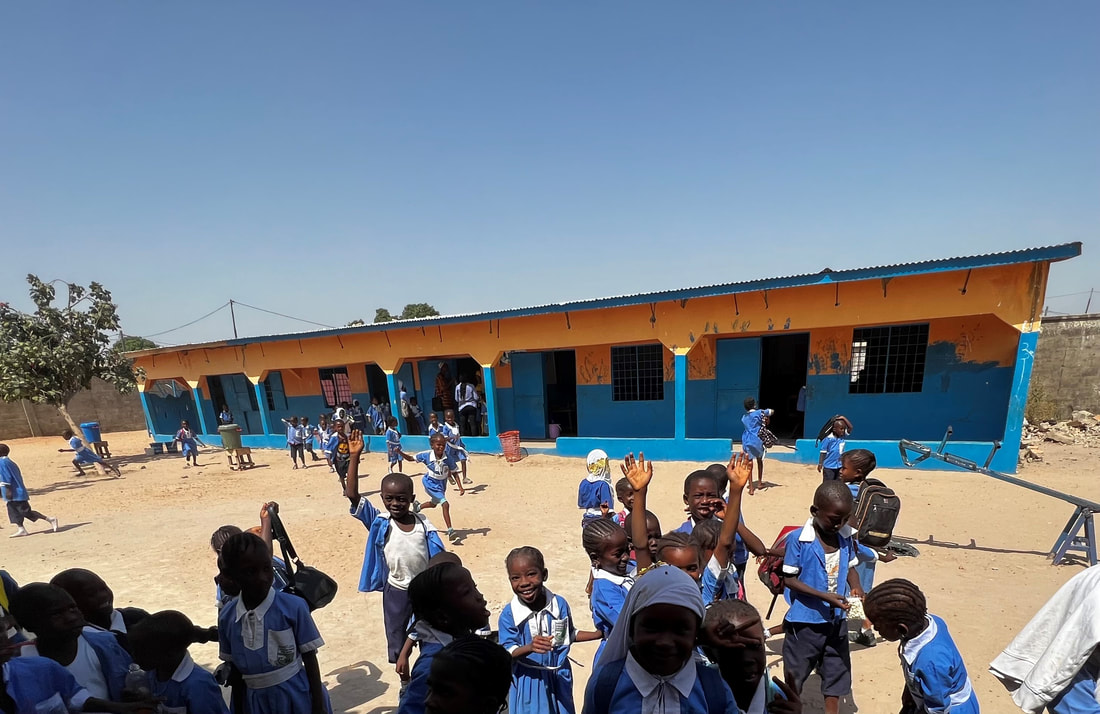
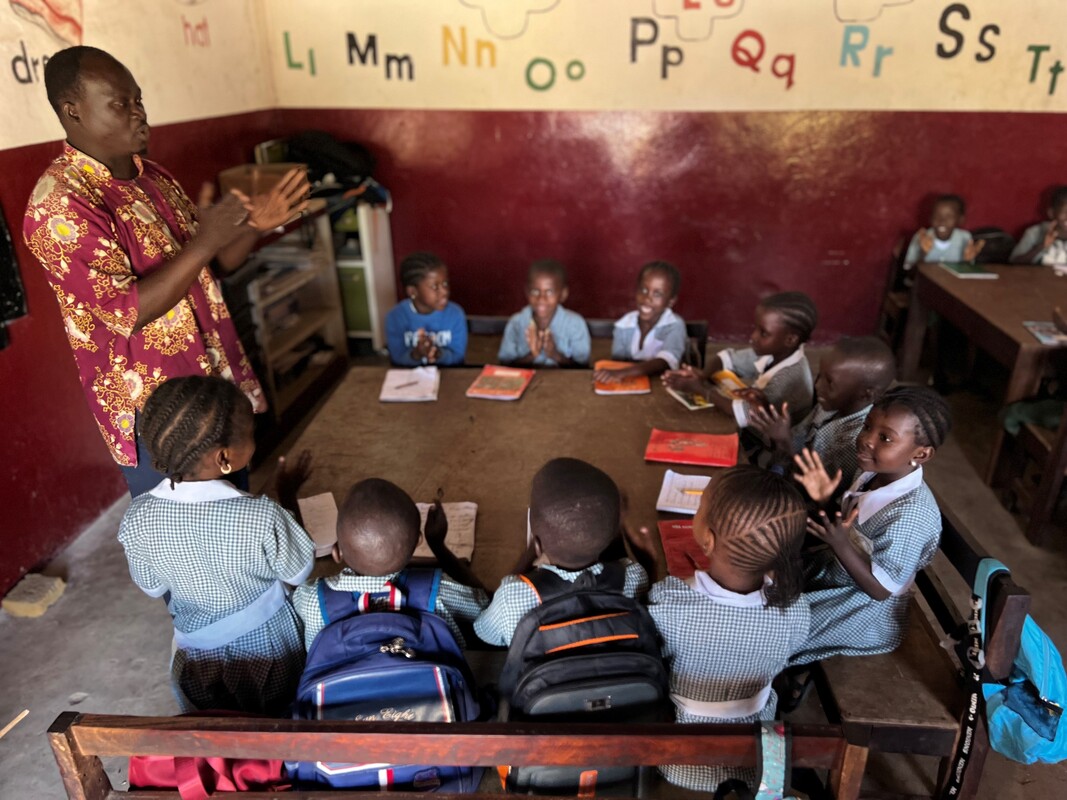
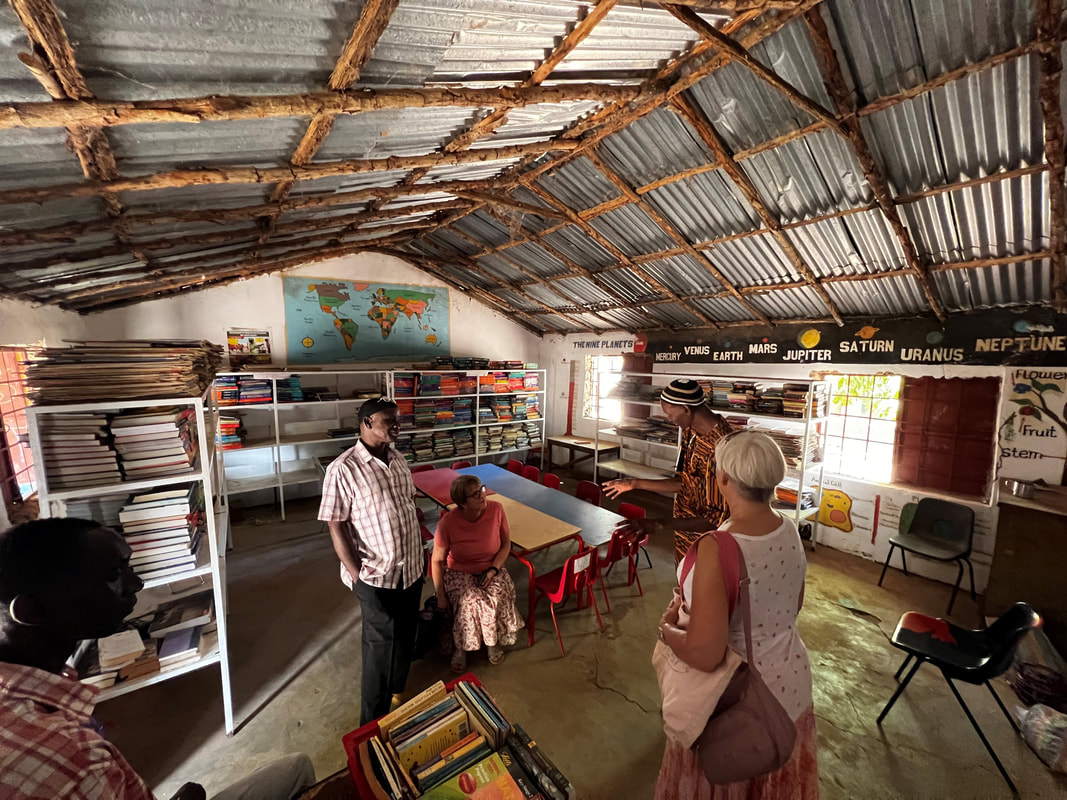
I saw 3 of the 4 nursery schools AOT assists in Talinding (Hilary Emery), Kankujang Keitaya (Stepping Stones) and Jappineh and I was really impressed by what the charity has achieved. These are excellent schools.

Moses Motel, Soma

Our one-night stay up-country reminded me of my back-packing days! Soma is close to Jappineh where AOT assist a health clinic and nursery school.

After a long and dusty day, I entered my room and drew the curtain – it and its rail came crashing to the floor! Then the toilet flush handle wasn’t connected to anything so I had to lift the cistern cover and feel around in the murk for the wire to get the flush to work! Then the bathroom mat appeared to have been greased on its underside so it shot away from under you when stepped on. The bed had an under-sheet though no top sheet, problem solved by wrapping it over me. The pillow felt as if it had been stuffed with marbles. Then the concert started up next door,  possibly the most discordant catatonic noise ever purporting to be music!

All trivial stuff really compared to the mosquitoes which found their way in, in spite of the netting around the windows. Double application of my repellent (I’m not sure who its supposed to repel, me or the mozzies). Did you know that The Gambia lends its name to the Anopheles gambiae – one of the most important vectors of malaria in sub-Saharan Africa!

Malaria is a curse and a big killer. AOT’s 3 clinics in Jappineh, Wellingara and Bakary Sambouya do inspirational work in the testing and treatment of malaria. All life’s dramas are played out.  We met a little boy just one hour old on one occasion. I visited all the clinics and was introduced to their wonderful staff. It’s amazing the number of patients they treat and the life-saving work they do.

On 5 Feb, I joined the Sir Howard Dalton Clinic’s (Jappineh) management meeting and witnessed the thoroughness of the accounting and administration as well as hearing about the local politics. I think I was able to give the team some helpful perspective when I explained that the difficulties and fractured relationships that exist in my village in rural Hampshire, sounded remarkably similar to their troubles!

It may seem from my somewhat embellished account of our stay in the Moses Motel, that I had some reservations about the trip, not so! It was inspirational to see both the clinics and schools in action – they are making a big difference. Also, Lady Kira organised everything to perfection and, much to my amazement, we left and arrived on time everywhere we went in the 12 days or so we were on the road touring schools and clinics. Her drive and energy coupled with the brilliant work from the Gambian Management Team is producing wonderful outcomes for the AOT donors and supporters.

The bee and the straw – an update from Gambia

When travel restrictions to The Gambia eased a little in late autumn, our Chairman James Holden was able to return to see for himself how things are in a country where Covid levels appear relatively low but where the economy has suffered massively – a challenge compounded by the devastating storms which have recently wrought havoc on many of the Trust’s school and hospital projects. We asked him to send us his thoughts and impressions.

25th November 2021
James Island

I’ve just left my home in Warwick. Temperature 2 degrees Celsius and it’s due to rain shortly. By this time tomorrow I’ll be in The Gambia- temperature 32 degrees C and it won’t rain until next July!

I’ve been going to The Gambia ever since 2004 when I first visited what was then called James Island. It’s a World Heritage site that’s slowly falling to pieces. And yet it’s slavery’s equivalent of the Holocaust’s Auschwitz: James Island was one of the main holding areas for Africans before they were shipped to the New World as slaves.

It’s called Kunta Kinteh island now, after Alex Haley’s famous ancestor whom he traced through historical records and the extraordinary memory of Gambian griots who carry the history of their people orally. As I’ve already said, the island, which lies relatively near the mouth of the great river Gambia, is gently mouldering. The cells where the stolen Africans were caged pending transportation are now open to the fierce West African sun which frequently generates breezeless temperatures close to 40 degrees. And yet whenever I have visited I have found myself strangely chilled.

To be honest it was this James Island experience that prompted me to establish the AOT and I’m about to make my 21st visit. I really do wonder what I’ll discover on my visit. How has Gambia and its people fared? How are the schools and the hospitals that the AOT supports doing?

I guess I shall find out soon enough.

2nd December
Tears of a Clown

On one level all looks unchanged. It’s still peaceful in the countryside and chaotic in the towns. They are preparing for presidential elections and yesterday we drove past a major rally for the UDP who stand for Change is Coming. The major town of Brikama was thronged by horn blowing Gambians uniformed in yellow T shirts. No one wore a mask.

They certainly wanted change because on another level there’s a deep problem. Whilst many Gambians still believe that the virus is a hoax- they all recognise the economic damage wrought by the devastation of their tourist industry.

I am the first client my bird guide has had in two years. The entire state support that my lodge received during lockdown amounted to £84.50 at current exchange rates. And this for a staff of 11. So far the AoT has had to rescue three financially devastated nurseries and has had to make special appeals for feeding programmes and to cover exceptional repair work due to severe storm damage.

It just makes me realise how blessed we in the UK have been. For sure there has been a variance in the way that people have fared during lockdown, but nothing like the deprivations of The Gambia.

And yet the people continue to smile and help and ask for little in return. Only today our car battery failed when we were way out in the bush and yet within 10 minutes a gang of young men gathered -all very willing to help us bump start our 4×4 down a steepish bush track.

It is true then that The Gambia is still the smiling face of West Africa on one level but I suspect that their smiles are like those of clowns – they hide so many tears.

10th December
The bee and the straw

I’ve been back in the UK for a week now and was pleased to come out of self-isolation when my PCR test came back negative. I emerged into a world very different from The Gambia in so many ways.  I have also learned that the results of the Gambian election mean an extension of power for the incumbent President Adama Barrow.  His electioneering slogan was ˜Peace and Development“ an outcome devoutly to be wished for.

But is it just that a wish?  Peace I think is a likely outcome and of course without this development is impossible. However, positive development is another matter altogether, particularly as much of the developed world moves back into Covid restricted status. The prognosis for Gambia’s tourist industry for next year is once again poor and that augers badly for so many in what is already a desperately poor country.

As I waited in the departures lounge a bee fell into the dregs of a bottle of Fanta I was drinking through a straw.  It struggled madly to escape and much to my surprise it managed to begin climbing up on my straw a veritable ladder to freedom. However, the effort proved too much and it fell back down into the sweet orange liquid.  I thought it was doomed, but once again it struggled for dear life and I decided to help.  I placed the straw near its whirling legs and once it had gripped it I lifted the straw gently up and through the bottle’s neck.  After a brief period of recovery and drying itself in the afternoon sunshine my bee disappeared into the vast blue African sky.

One can take analogies too far, but as I look back I realise that this is how I see the African Oyster Trust.  It offers a ladder for freedom for those Gambians whose life it touches.  I am grateful for the chance to be involved in that task.

Save Wellingara Health Centre: Please support THE BIG GIVE Christmas Challenge 2021

Wellingara Health Centre provides vital medical services to its community in the Gambia. Unfortunately, the health centre building has become increasingly unfit for purpose.

In particular, faulty electrical wiring renders the centre unsafe for patients at staff. It puts the clinic at risk of closure, and has the potential to start a fire which would leave the population of Wellingara without any prospect of further access to medical care.

Through the Big Give Christmas Challenge we are hoping to raise enough money to rewire the health centre so it can continue to provide essential services.

Please help us rewire the Health Centre. Our work would be much easier if we could have a good, safe light and power supply. Sometimes it goes off in the middle of suturing a wound, and we cannot use the lab equipment we have in case we blow a fuse. We are very nervous of a fire.

” Dembo Njie, Wellingara Health Centre nurse

The Big Give, the UK’s biggest online match-funding campaign, starts at 12pm (midday) Tuesday 30th November and runs until 12pm Tuesday 7th December.

Donations made to the Trust during this period through www.theBigGive.org.uk will be doubled, with match funding of up to £1,000 available. So a gift of £10 will become £20, £50 will become £100, and so on.

With the funds from this year’s Big Give Christmas Challenge, we will employ a competent contractor and purchase good quality cable, fixtures, conduit, circuit breakers and RCD (mains), and battery and charge controller (solar).

By rewiring both the mains and solar systems to British Standards, we will ensure the facility can remain open and continue to treat patients for many years to come.

The African Oyster Trust’s Gambian Management Team asks for your generosity in donating to our Wellingara Health Centre. It has been very difficult here during the pandemic, and our country’s main source of income through tourists has gone. Being able to make the health centre safe would make a huge difference to the community.

Kemo Bah, Fanding Manjang, Ansumana Manjang and Seine Dampah (Gambian Management Team)

Over the last two years, successful Big Give Challenge appeals have seen us launch and then expand our provision of a school-day breakfast for every child in our nursery schools.

Please support this year’s African Oyster Trust Big Give Christmas Challenge if you can, by donating via the Big Give website between 12pm (midday) Tuesday 30th November and 12pm Tuesday 7th December.

Remember, by taking part in the Big Give Christmas Challenge your donation will be match funded and doubled, giving it twice the impact!!

Thank you.

Emergency appeal after major storms hit Gambia

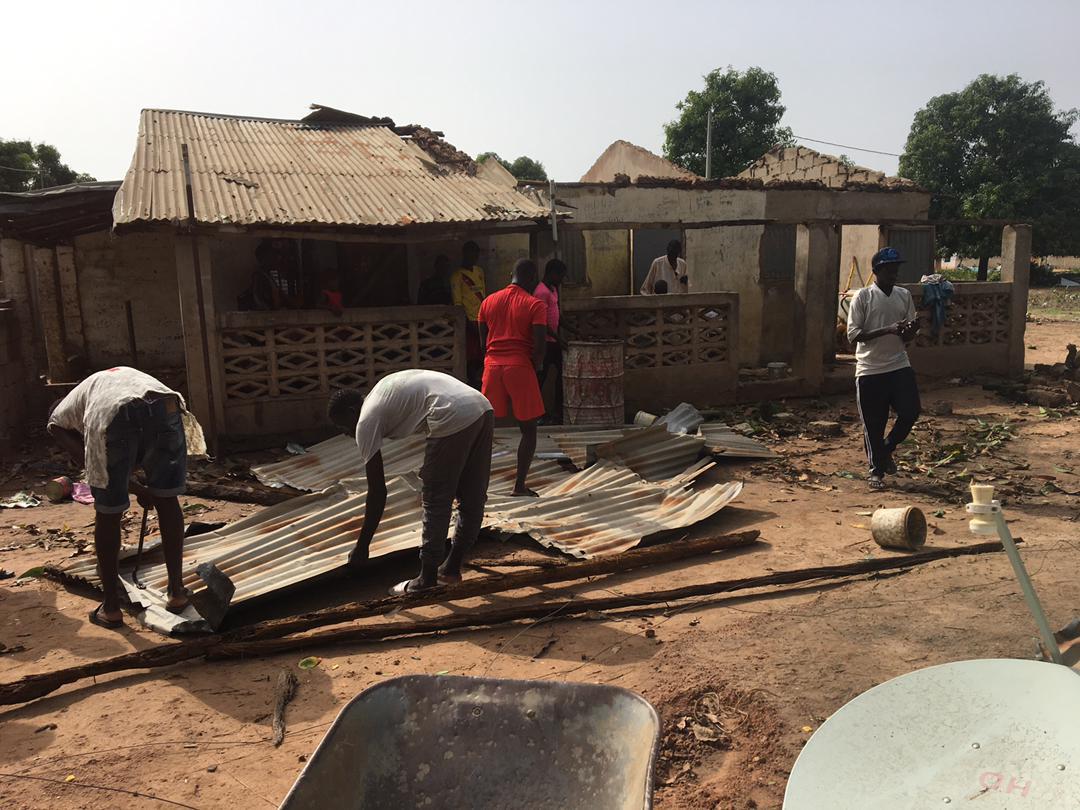
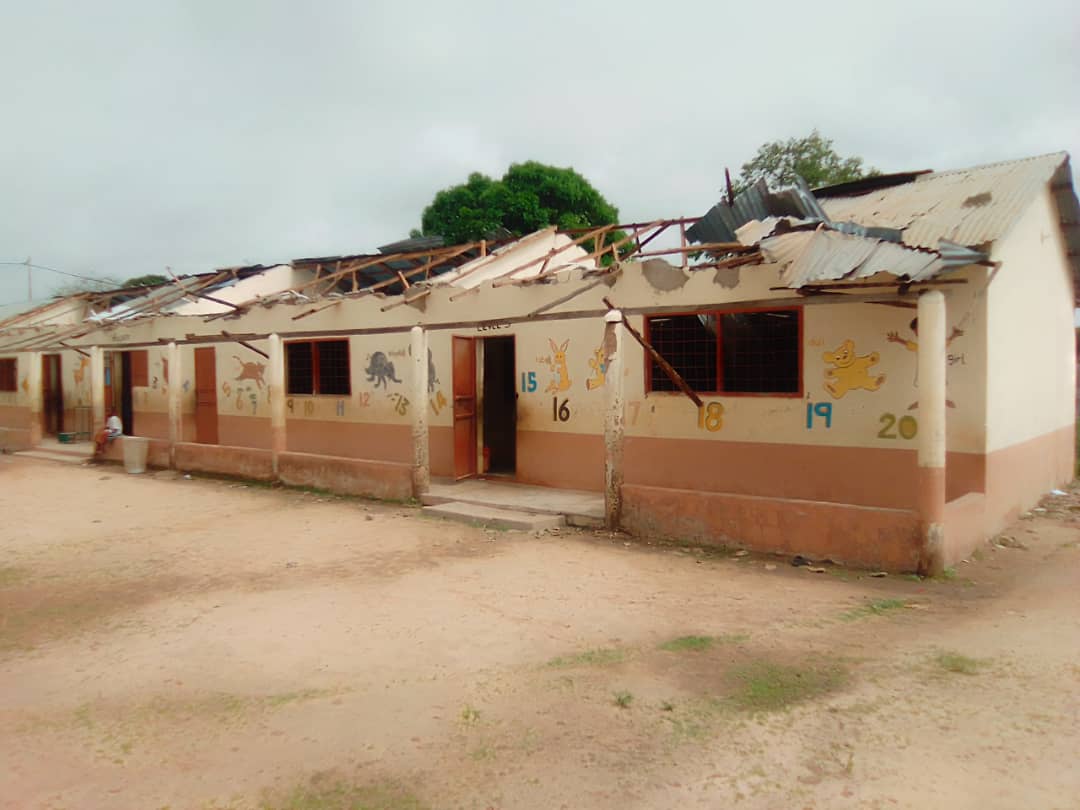
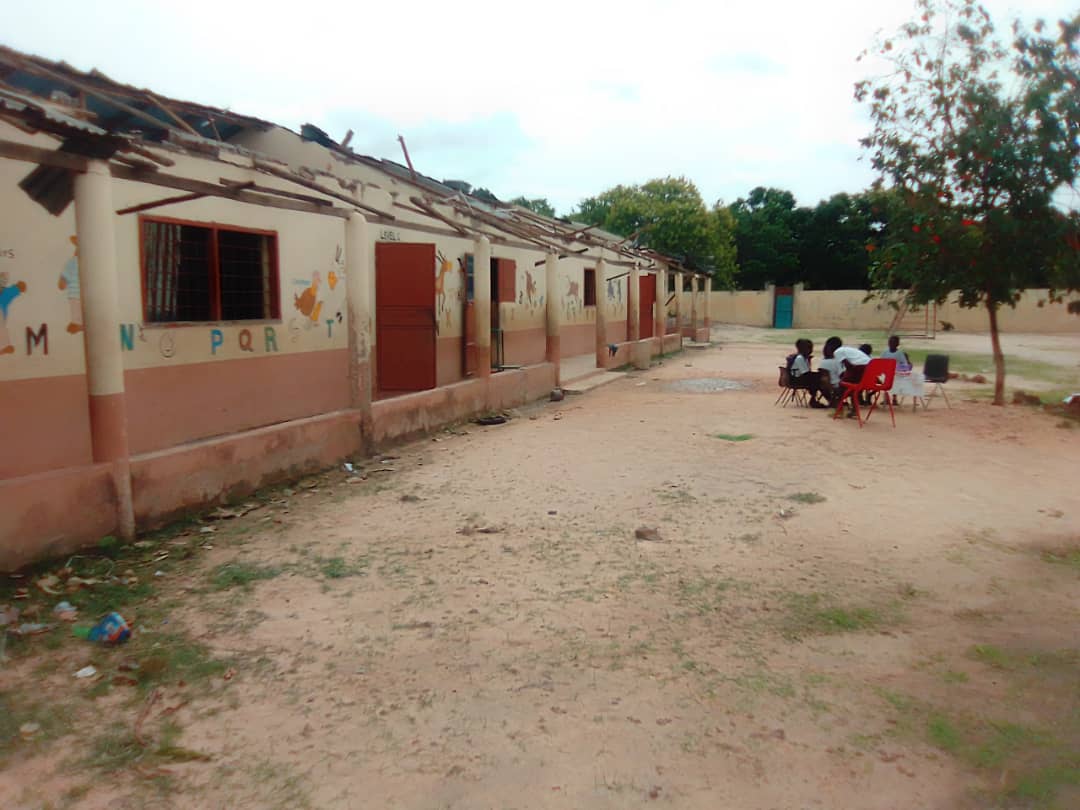
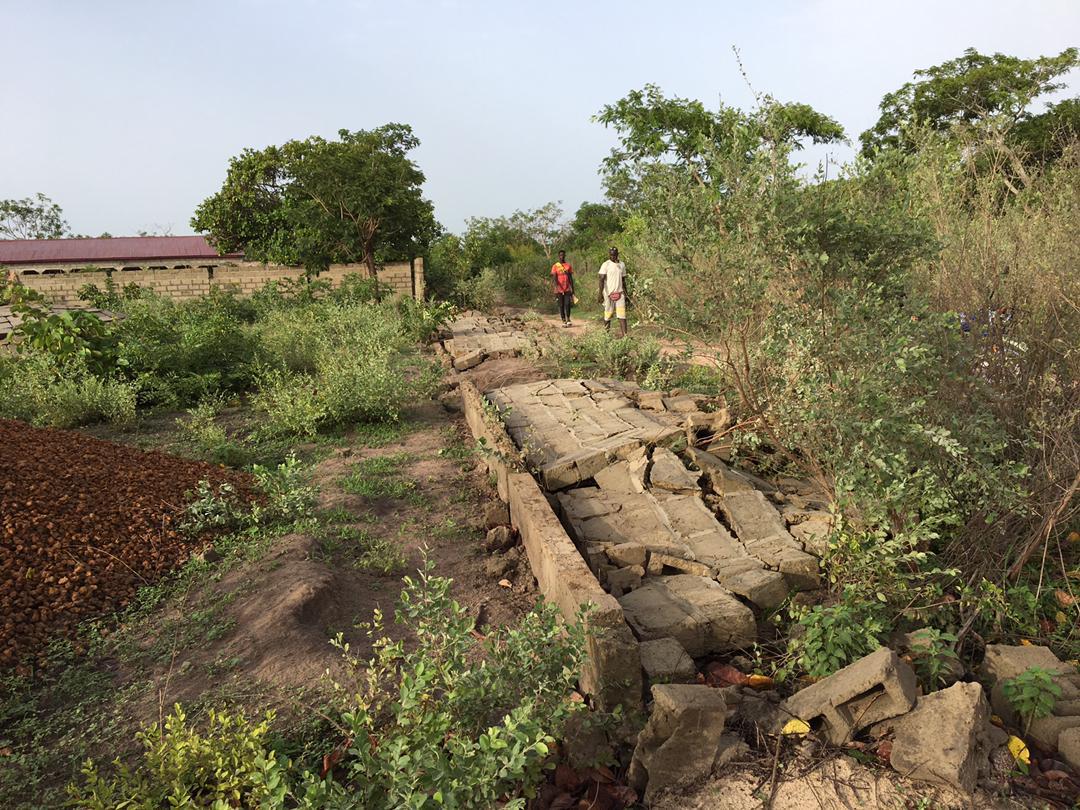
Gambia has been hit by prolonged bad weather in recent weeks, culminating in an overnight storm on Thursday 8 July which levelled scores of houses, left more than 1,500 homeless or displaced, and claimed at least 10 lives.

The heavy winds, rain and flooding affected all seven districts of The Gambia, with many areas suffering a prolonged loss of electricity and running water because of damage to utility infrastructure.

Falling walls and trees injured more than 100 people, and sheet iron roofing was ripped from hundreds of buildings.

While the African Oyster Trust’s nursery schools remained largely intact and operational, a number of nurseries and other community buildings were severely damaged in the villages where we work.

The Trust has committed to helping these communities repair a number of schools and key buildings, with work already underway.

Please click the ‘donate’ button to give whatever you can in support of our emergency response.

New Year 2021: An update from Gambia

An update from Lady Kira Dalton:

I was very fortunate to be able to bring my flight forward and return to Gambia at the end of October just before the 2nd UK lockdown.

Just as I arrived, the schools re-opened – having been closed since last March. All were provided with hand washing stations (buckets with a tap at the bottom) by the Ministry of Education as none have what we would consider to be washrooms. Even the very large, 1,600 + student Lower Basic Schools (in the Grounds of which we have our nursery schools at Kunkujang Keitayah and Gunjur) only have a couple of standpipes in the middle of the compound to provide all their water. And recently, due to increased demand, those are only working during limited hours of the day. So one of the first jobs of our school cleaners is to fill up many buckets for washing hands and drinking and toilet flushing and to carry them to where they are needed. Quite a task in hot weather to provide enough water for over 100 kids.

The children quickly adapted to the more frequent hand washing routine – on arrival, after playtime, before snacks etc. supervised by their class teachers. And some of them even remember to bring their masks and wear them at school. Gambia TV keeps showing some really catchy musical public service ads reminding people to wash their hands. You can see an example at the end of the brief video produced for our recent AGM. They are certainly much more fun than those I have seen on British or American TV!

As usual, during one of my first visits to each school, I was able to drop off their first aid supplies. Plasters, disinfectant, gloves, etc. All of the schools are looking very smart after their post rain painting – ably organised by Fanding. It was a pleasure for me to see the kids tucking in to their morning porridge on arriving at school. This has made a huge difference to their punctuality and attention span!

Fortunately, thus far, Covid case levels have remained very low in single figures up until very recently and schools are still open.

Officially all of Africa is now experiencing a second wave and the numbers in neighboring Senegal are quite alarming, especially in view of the very long and porous border. There are many villages which actually straddle the border so it is nearly impossible to prevent people crossing without any testing or tracing. Unfortunately the few direct flights which arrived here over the Christmas period, mainly with returning Gambians from various European countries and a very few  long term tourists, have brought with them numerous Covid cases including several of the more contagious UK variant.

As a result, during last week our number of active cases rose from 5 to 81. Not good in a country with barely enough medical facilities to cope with normal scenarios. I do fear for the population over the coming weeks.

In the communities of Jappineh and Wellingara our Health Centers continue to do an excellent job treating the many other diseases and injuries which still require attention despite all the attention being paid to Covid. There will still be far more deaths due to malaria in Africa.

A very big event was the arrival of the new ambulance at Wellingara Health Center – appropriately named Dee 1 in honor of our recently retired Chair Dee Bixley who was with me when we spotted the then run down vehicle in a garage last year . Now we will be able to resume delivering babies knowing that should an emergency arise, we can safely transfer to Fajikunda or Banjul for caesarian.

But probably the biggest problem caused by the pandemic has been the effect on the economy due to the scarcity of tourists.  Normally tourism accounts for around 25% of GDP directly plus all the indirect revenue stemming from sales of fruit, veg and fish to hotels and restaurants, taxi drivers, laundry businesses etc.

This is especially tragic in a country with no social welfare as such. There have been a few distributions of bags of rice, cooking oil and sugar to needy households but not nearly enough to address the problem. Many families have been plunged back into abject poverty when the one bread winner has lost his job as a waiter, tour guide, hotel cleaner.

I would like to finish by saying yet another big thank you to all of our regular donors, and particularly to the many new donors who contributed to our Big Give Christmas appeal. Thanks to your generosity we managed to exceed our target, thus ensuring that the porridge programs will continue and the kids will be sure of getting at least one filling meal a day. We know that things are tough everywhere at the moment, but please do continue to spare a thought, and a few quid if you possibly can, so that we can continue our work in The Gambia.

A school-day breakfast for even more children: Please support THE BIG GIVE Christmas Challenge 2020

The African Oyster Trust is delighted to be taking part once again in the Big Give Christmas Challenge.

Our aim is to raise enough money to not only continue but expand our breakfast programme, which provides school-day breakfasts for children in our nursery schools.

Our children are so grateful for their breakfast porridge – some of them arrive as early as 7.30 am! Everything has become more possible because their full tummies lead to effective learning, and there are no complaints about stomach pains. AoT Teacher

The Big Give, the UK’s biggest online match-funding campaign, starts at 12pm (midday) Tuesday 1st December and runs until 12pm Tuesday 8th December.

Donations made to the Trust during this period through www.theBigGive.org.uk will be doubled, with match funding of up to £1,000 available. So a gift of £10 will become £20, £50 will become £100, and so on.

Last year’s successful Big Give Challenge saw us raise funds to provide a school-day breakfast for every child in one of our nursery schools. Since then we’ve expanded this successful pilot scheme to a second school.

Now, with your help, we want to bring this priceless service to a third African Oyster Trust nursery school.

Average income in The Gambia is less than £1 a day, and the cost of rice, bread and other essentials have all sky-rocketed in recent times. As a result, many children are arriving at our schools hungry and malnourished. A simple porridge breakfast every school morning means that the children can start their day with a full stomach and ready to learn.
Breaking the cycle of poverty

The African Oyster Trust was founded to support education and health projects not funded by the government. We believe that education is one of the most powerful and long-lasting ways of breaking the cycle of poverty.

Unfortunately, when children arrive at school without having had anything to eat, it badly affects their levels of attention and ability to learn. We want to ensure the children can concentrate properly and benefit fully from the educational experience by providing a simple breakfast at the start of every school day.

Turning porridge to knowledge

The funds from the Big Give Christmas Campaign will allow us to set up a kitchen at a third nursery so that every morning when they arrive the children are given porridge. The cooks prepare it runny enough to be served in plastic cups. This simple breakfast, combined with our nursery education, really will give these children a better start in life.

It is a simple yet effective way to make a real difference in The Gambia.

Making a Difference

“The breakfast porridge we can now supply at some schools improves lives. Children arrive at school punctually, the nutrition helps retain their learning, and they are happier! Also, the economical standing of their parents has improved because they don’t have to worry about finding food money.”
– Education Director, Kemo Bah

“Our children are so grateful for their breakfast porridge – some of them arrive as early as 7.30 am! Everything has become more possible because their full tummies lead to effective learning, and there are no complaints about stomach pains.”
– A teacher at Makumbaya Nursery School

“Knowing there will be porridge, our children are so happy that they almost dance to school! To all of you who have supported us, we thank you. The porridge helps them a lot.”
– A parent at Mariama Mae School

“The African Oyster Trust is a remarkable charity. All its work is funded by voluntary contributions. It has zero overheads. ALL the donations go to support the people and projects that need it most. You can be sure that every penny you donate will be put to good use.”
– Jackie Keyser, donor

Please support The African Oyster Trust Big Give Christmas Challenge if you can, by donating via the Big Give website between 12pm (midday) Tuesday 1st December and 12pm Tuesday 8th December.

Remember, by taking part in the Big Give Christmas Challenge your donation will be match funded and doubled, giving it twice the impact!!

Thank you.