Category News

Updates from AGM 2020

As is customary at the Trust’s Annual General Meeting, Lady Kira Dalton presented an update on our work and the general situation in Gambia at the moment. The meeting also opened with a short video to set the scene. Both are reproduced here for anyone who was unable to join us on the day.

Introductory film:

From Lady Kira Dalton:

Looking back on last year’s report I can only say that this year has turned out to be even more eventful – not necessarily in a good way – although there have been some memorable highlights too.

Yet again the Gambian economy has been hit extremely hard by several major external shocks.

Firstly, the demise of Thomas Cook had a dramatic impact on tourism, right from the start of this season. Tourism is a mainstay of the economy historically, accounting for around 25% of GDP, with a similar percentage arising from agriculture and fishing.

Many annual visitors could not travel when they were unable to find alternative affordable flights in time to match their holiday dates. Unfortunately, as was the case with the threat of Ebola and the post election evacuations in previous years, some of these regular visitors go elsewhere and decide never to return to The Gambia. Even our very own Banjul Brewery has decided to stop production due to low demand and increased taxation.

Then, just as tourist bookings were picking up for the start of the New Year, threats of violent protests by an antigovernment group called Three Year Jotna (three years is enough – regarding the tenure of President Barrow) and counter demonstrations by the APRC (demanding the return of exPresident Yahya Jammeh) discouraged more tourists from coming. Dee Bixley was visiting me at the time and will tell you how, on several occasions, we had to detour or change our plans to avoid driving between large groups of protestors on one side of the road and fully armed riot police on the other. Unnerving!

And finally, the arrival of Covid19 forced the closure of borders and airport in midMarch, cutting short an already very poor tourist season. (Please read my separate blog specifically about the Covid situation.)

The further effect of the worldwide pandemic will be felt for many years and has unfortunately pushed numerous people here back into abject poverty. Another major source of income throughout Africa and particularly The Gambia is overseas remittances. Some estimates say as much as 50% of some family’s income comes from having a relative or two overseas sending home money. Of course, with the impact of Covid on European and USA employment, particularly in the hospitality and retail industries where many of these people are employed, we have already seen a sharp drop of over 20% in these funds. And with rapid escalation of Covid19 their livelihoods are seriously threatened on all sides. There is no social welfare here but there have been various distributions of rice, oil and sugar meant to, at least, prevent starvation among the poorest members of society. Most say: “Too little and too late!”

Also, there have been widely publicised accusations of the misuse of funds meant for poverty relief!

We can see why, unfortunately, The Gambia will continue to depend on charities and overseas aid for the forseeable future, particularly to support health care and education.  Covid19 has highlighted just how woefully inadequate the Government Health sector is and the price has been paid by the exceptionally high numbers of deaths when compared with any other country even in Africa.

The fact that the entire country had just 3 ventilators and under 100 ICU beds says it all.

On that depressing note, we will move on to some better news: AOT’s achievements this year.

Thus far, both Jappineh and Wellingara Health Centers have remained open and very busy. All staff are fully equipped with PPE and well-aware of the need to observe precautions.  Ansumana not only ably manages Jappineh HC but is also a member of the Regional Covid Surveillance Team.

Interestingly, two members of the Jappineh team tested positive for Covid, which they caught while attending a funeral – not from their patients!  Both were asymptomatic and able to return to work after home quarantine. The health facilities were disinfected and reopened almost immediately.

Jappineh now have three fulltime Nurse/Midwives. Modu Barrow joined Ansumana Manjang and Modu Jobe, enabling them to continue to provide 24hour services 365 days of the year. And all 3 are trained in psychiatric nursing and are available to attend the Njie brothers’ psychiatric establishments whenever required.  Just as the Covid epidemic was unfolding, Omar Jarju made a visit to Karamo Njie and discharged 16 patients (with medication) to reduce dangers of transmission/overcrowding. He will visit Jappineh again this month to monitor the situation. Thus far Njie is contributing to medical costs!

Wellingara now has a fully functional ambulance and the driver is undergoing training. Purely by fluke, Dee and I spotted an old ambulance at the back of my local garage. On making enquiries we found out that it was for sale and had been abandoned by another health center when they received a new one. We were able to negotiate an excellent price and felt this was a good use of the Cecil Rosen funds.  Riders carried out repainting and full maintenance for next to nothing by way of apology for the previous ambulance going missing from their premises and donated to us a popup stretcher on wheels.

We have identified a very good candidate to join Wellingara as a third Nurse/Midwife, as and when funds allow next year. This development will enable them to open 24 hours a day and to resume delivering babies. (And just in time as Fajikunda, the nearest large Govenment hospital, has been closed ever since a group of their health workers tested positive for Covid.) They have all been quarantined, some have resigned, and the facility is awaiting the fumigation team before it can reopen. So in the meantime, their patients all come to us.  People still get malaria, wounds, dog bites, colds, stomach problems, worms etc., and they all need treatment!

After persistent efforts, we have Ministry of Health approval for use of the Butterfly IQ ultrasound scanner and Dembo Njie at Wellingara has been undergoing training in the use and interpretation of the images.

All the schools began the year with a face lift and were repainted in cheerful colors, ably managed by Fanding. The school furniture, some of which was ravaged by termites last summer, was all repaired or replaced. Fanding also presided over the addition of separate toilet and shower facilities for the Junior Staff quarters in Jappineh Health Center just in the nick of time for their home quarantine situation!

Unfortunately, despite Fanding’s best efforts, when the rainy season began with two very violent storms, a section of the wall at Mariama Mae school was brought down and had to be rebuilt. We think part of the problem was the overgrown bougainvilia – which has now been trimmed. A week later the roof of Pa’s classroom at Stepping Stones was blown off literally and had to be repaired urgently. We are so fortunate to have Fanding on hand to quickly mobilise materials and manpower!!

Before all the schools shut down by Presidential Decree in March, when the first State of Emergency was declared, everything had been going very well at all our nursery schools. We are lucky to have many excellent and dedicated teachers and, in most cases, experienced Head Teachers who understand our requirements and ways of working and the need to strive towards sustainability. On an amusing note, I am very relieved that Bintu Cham, Joint Head Teacher at Mariama Mae, will be back at work following her six month maternity leave if schools do reopen in September, just as Fatou Touray’s baby is due!  Some of our supporters will recall this was the school where all 3 teachers previously delivered babies within a month of each other creating a staffing nightmare!

During normal times when the schools are open, we make a point of visiting each one at least once a month. Kemo observes teaching practices so he can monitor future training needs. Fanding collates lists of maintenance needs and attends to immediate small jobs, and I check on general admin. This works very well in keeping everybody on their toes and enabling us to plan future requirements.

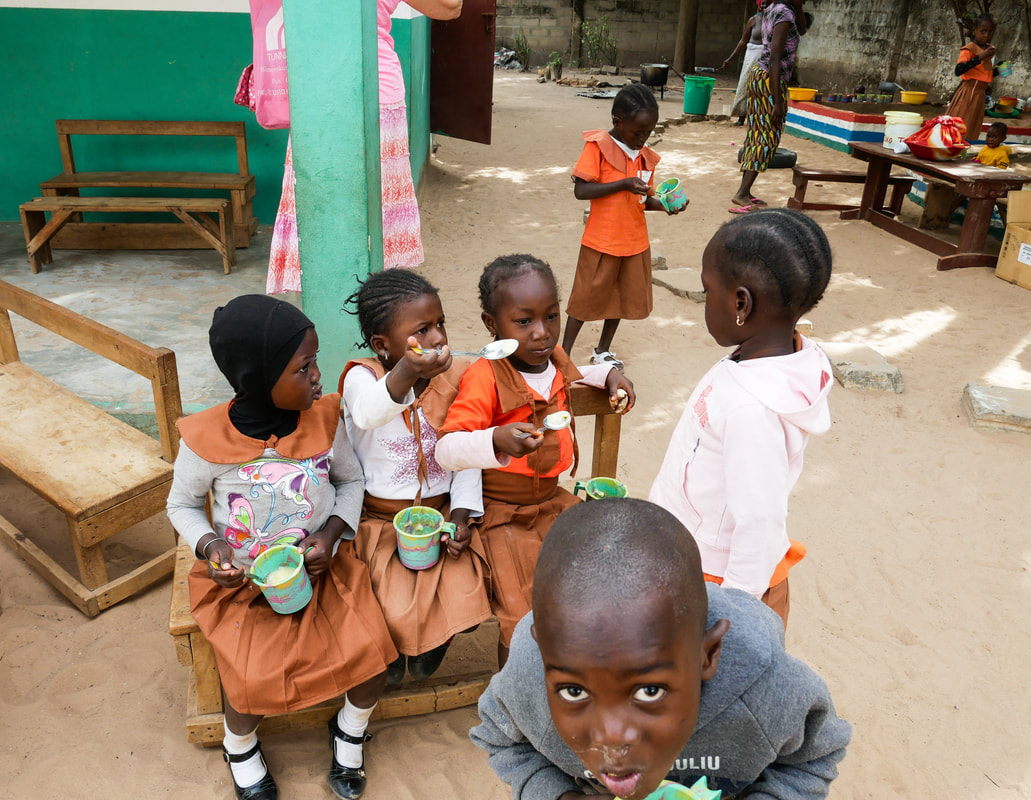
Big highlights for me this year were the introduction of porridge feeding programs at Mariama Mae school in Gunjur and Makumbaya Community Nursery School. This year we once again hope to raise funds via the Big Give Christmas Challenge so that we can afford to continue, or perhaps even extend, this very worthwhile initiative. The kids love it and it is wonderful to see them running to school early and queuing up to wait for their breakfast to be served. I joined them at Makumbaya early one morning in January and can attest that banana flavored porridge is yummy!

Another excellent couple of days for me was the Christmas Break teacher training – ably organised and led by Kemo Bah. The teachers all enjoyed themselves and participated fully see Dee’s report. We were fortunate to have two exceptional guest speakers. The highlight was the presentation to Pa of the muchdeserved Teacher of the Year award! This is also something we hope to continue doing annually and Kemo and I already have a possible candidate in mind for next year’s award.

Finally, the most positive development, in my opinion, is the tremendous progress being made by the Gambian Management Team. They are proving to be such a great asset, especially during these recent months when I have been trying to NOT be out and about too much. It really is a big relief that they can manage perfectly well without me when they have to!

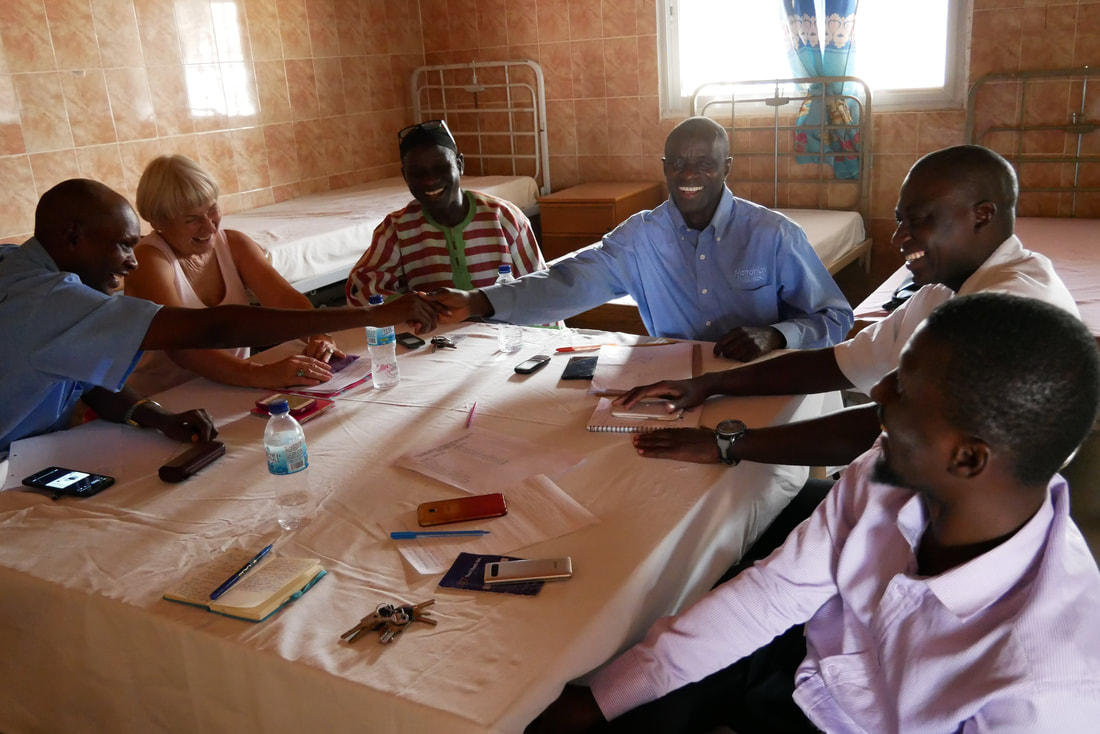
Recently, Kemo and Sainey Dampha came to my compound on a Sunday morning both wearing their masks of course. Over a couple of hours, they went over the budget setting procedure for next year and were able to put together all the figures, which Kemo will type up and send to me, Steve, and Dee.

My role was purely to supply them with coffee and Sunday lunch afterwards!

Sainey Dampha has just been nominated by Ansumana as his Man of the Year for the Jappineh Health Center. I will be presenting him with a certificate and small cash award at our next Management Meeting, to be held a few days before I hope to travel to the UK in early September.

It is a great relief to know that should I be unlucky enough to succumb to Covid or anything else, we have in place a sustainable structure which will ensure that the work of the African Oyster Trust can continue forever as long as our generous donors continue to support our efforts. Long live the AOT.

Cheers,

Kira
Covid-19: an update from Gambia

An update from Lady Kira Dalton, African Oyster Trust director

Here in The Gambia, like everywhere else in the world, Covid-19 has decimated the already fragile economy in what was always a very poor country (the ninth or tenth poorest in the world).

Many people here live in multi-generational and very crowded compounds, where social distancing is impossible. They rely on trading their goods or produce in the busy markets for their daily income, and they travel in overcrowded mini-buses or taxis to get to their workplaces. With no refrigerators, indeed often with no electricity either, women venture out daily to buy food and firewood to cook it.

Although the airport, borders and schools have been shut since March, none of the restrictions have so far been strictly enforced.  For example, the land border with Senegal, which has had over 10,000 cases, is very porous. Many people have been apprehended after being reported by worried neighbours for crossing illegally.  Others have got through, then subsequently been diagnosed when they fell ill or passed away en-route to hospital after infecting numerous close contacts in the interim. The other day I saw online that a large group of Islamic Scholars had returned from Saudi Arabia, which has a very high rate of infection, without any testing or quarantine. Just in time for the Tobaski Eid festival, which saw many people travelling around the country to visit family and converging in the mosques.

As of last week, there have been new regulations requiring masks to be worn in all public places and prohibiting any large public gatherings. Both are being flouted! Yesterday, I saw many people with no masks in the very crowded Tanji fish market and was kept awake until the wee hours by loud music coming from a nearby naming ceremony. Rumour has it that more than 100 people were there!

As I write, the case numbers are still escalating rapidly, and the main hospital is already overwhelmed. Many of the private clinics have closed due to staff shortages and lots of the health workers are in quarantine. Last week they were all on strike demanding hazard payments, distribution of the PPE which had arrived over two months ago from China and more support from Government. That seems to have led to the loss of control over what had been a rigorous track and trace system.

The Minister for Health made a very brave speech in the National Assembly recently regarding the widespread corruption throughout the Government, including his own department, which saw the inclusion of numerous ghost workers’ names on a list of those who should receive generous payments from various overseas emergency funds. Large amounts have been spent on new vehicles rather than on more essential items such as refurbishment of woefully inadequate isolation facilities.

Yesterday we saw on the news that three more Government ministers have tested positive, as had the Vice President last week. The President has gone into self-isolation and the Minister for Health is in quarantine, so we are all left wondering: who is running the show now?

Yesterday there was a touching clip from the Mayoress of Banjul, begging them to impose a lockdown before any more people die in their homes.  I heard today that she herself has now been admitted with Covid-19.  Even at the main teaching and referral hospital, the oxygen supply has run out.

To begin with there was a total of three ventilators (who knows whether they were working or if anybody knew how to use them) and recently the Chinese have sent us nine more, which have not yet been distributed to hospitals. For a population of over two million there is a total of just 100 ICU beds.

Already it had been quite a difficult year, with anti-government demonstrations in December and January having an adverse effect on tourism – a mainstay of the economy.  And now, who knows if or when the visitors who bring with them 25% of GDP and many of the jobs, will return?

Teacher training seminar & Teacher of the Year award

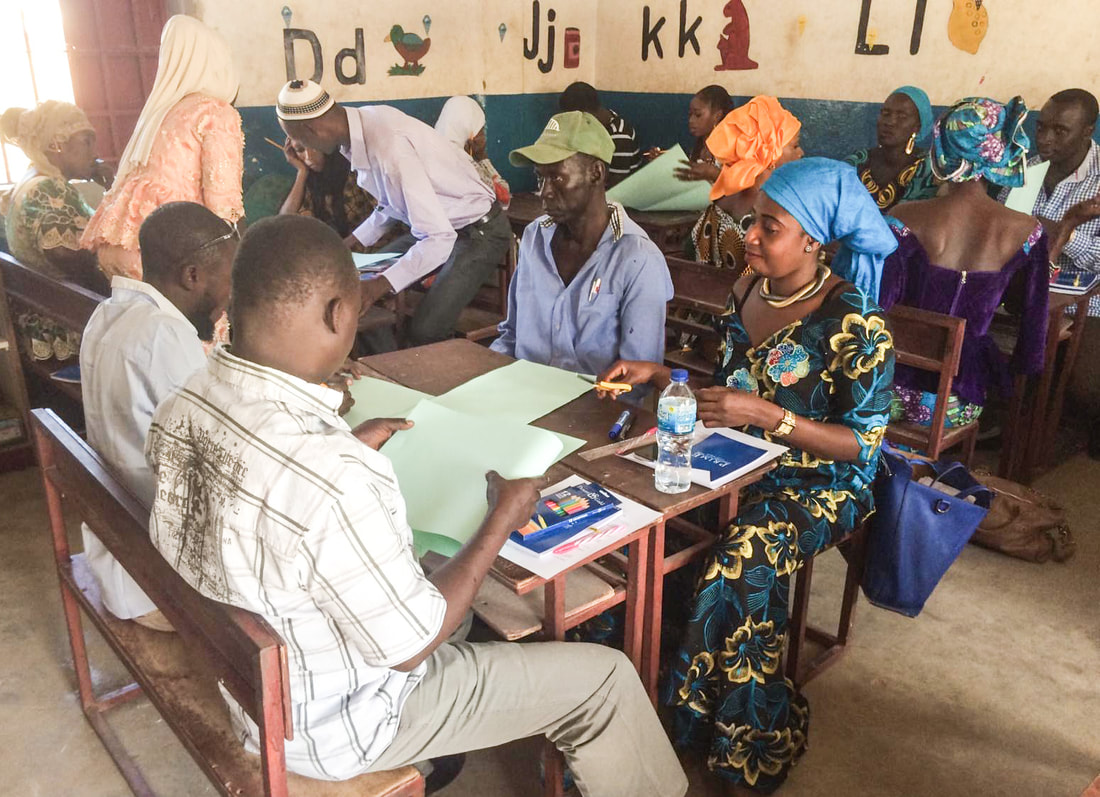
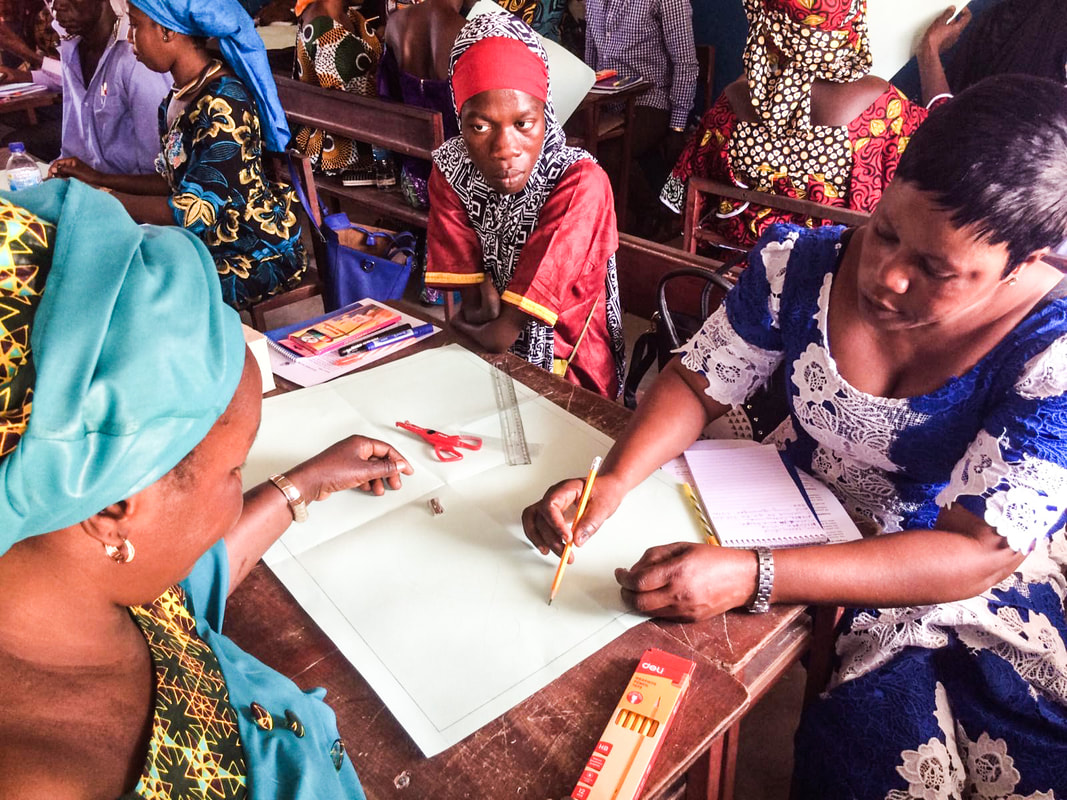
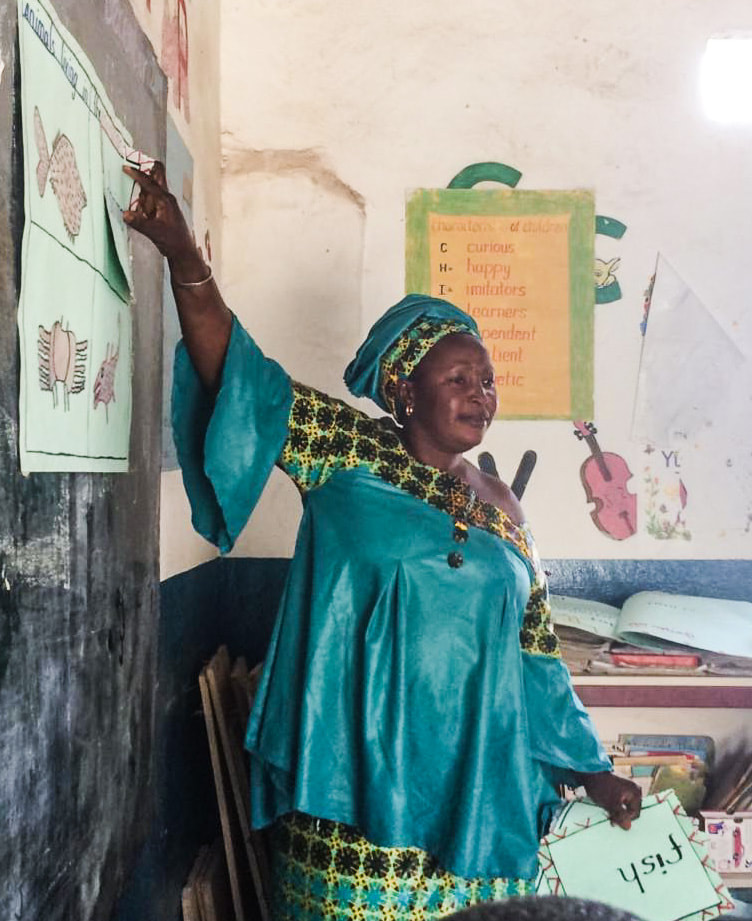
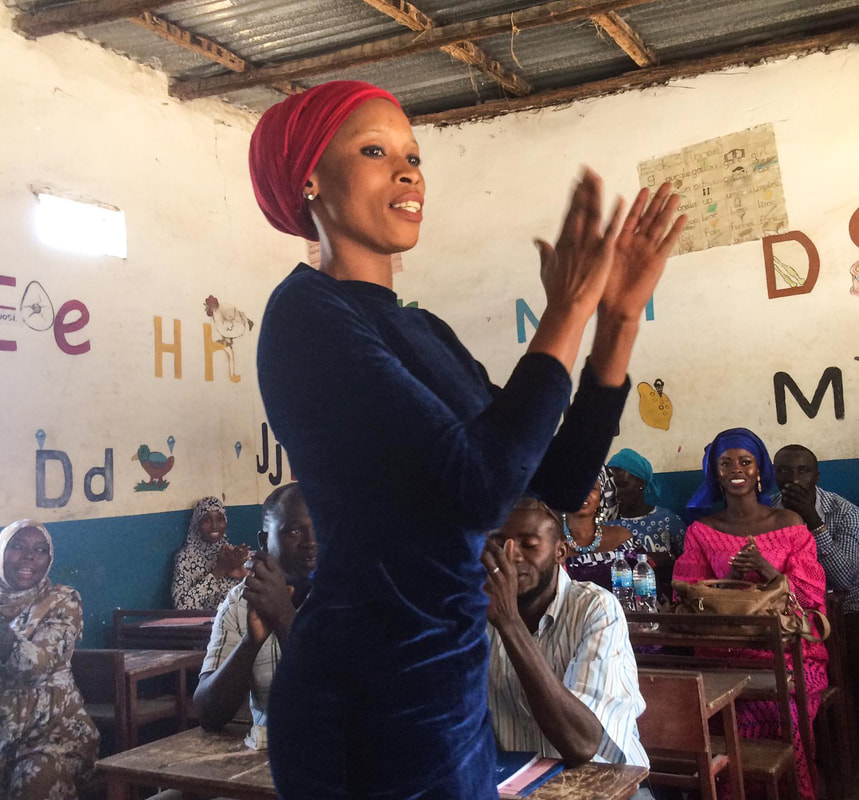
On a recent visit to Gambia, Dee Bixley attended a two-day teaching training seminar organised by the Trust.

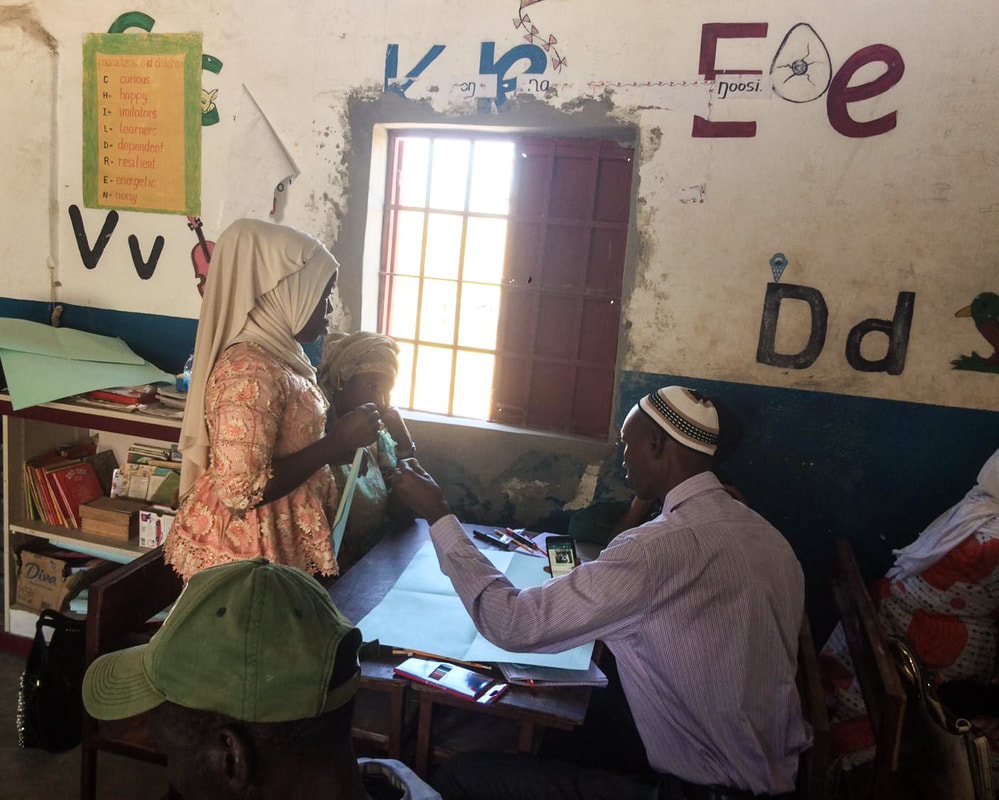
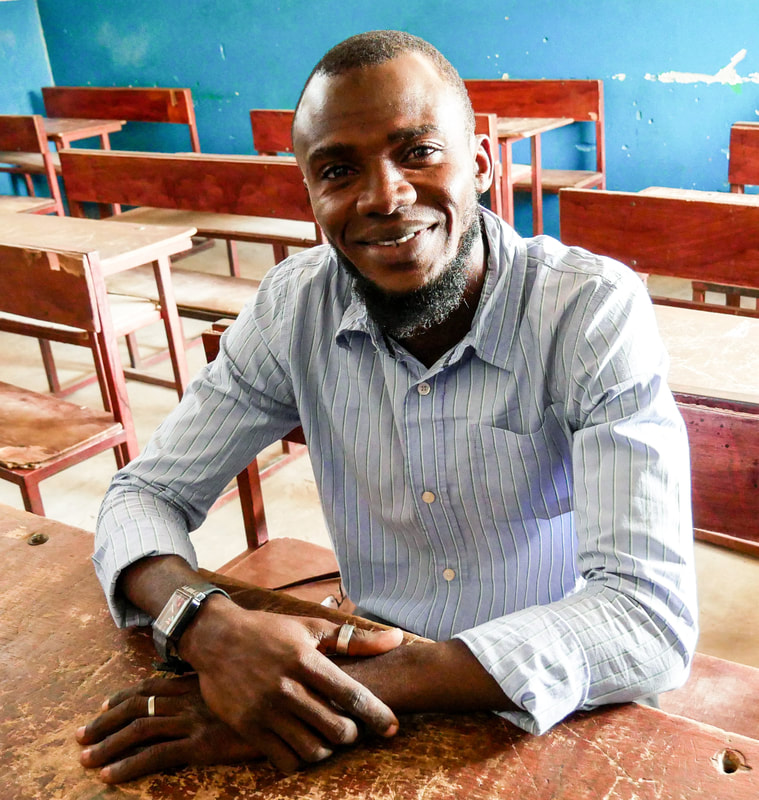
The Trust’s two-day teacher training seminar in January was led by Kemo Bah, our Education Director and Gambian Management Team Director. An expert in nursery education, he thoroughly enjoys working with Kira and the Gambian/UK teams.

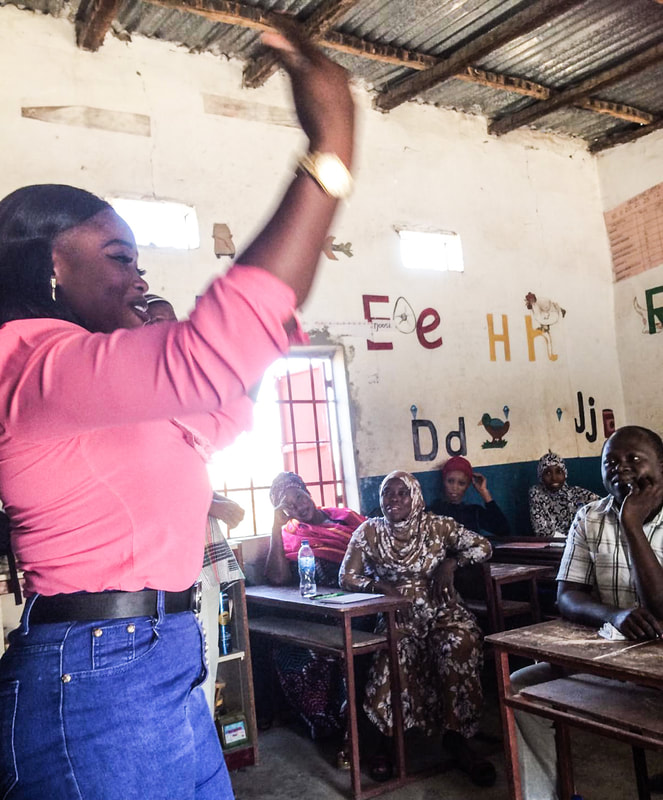
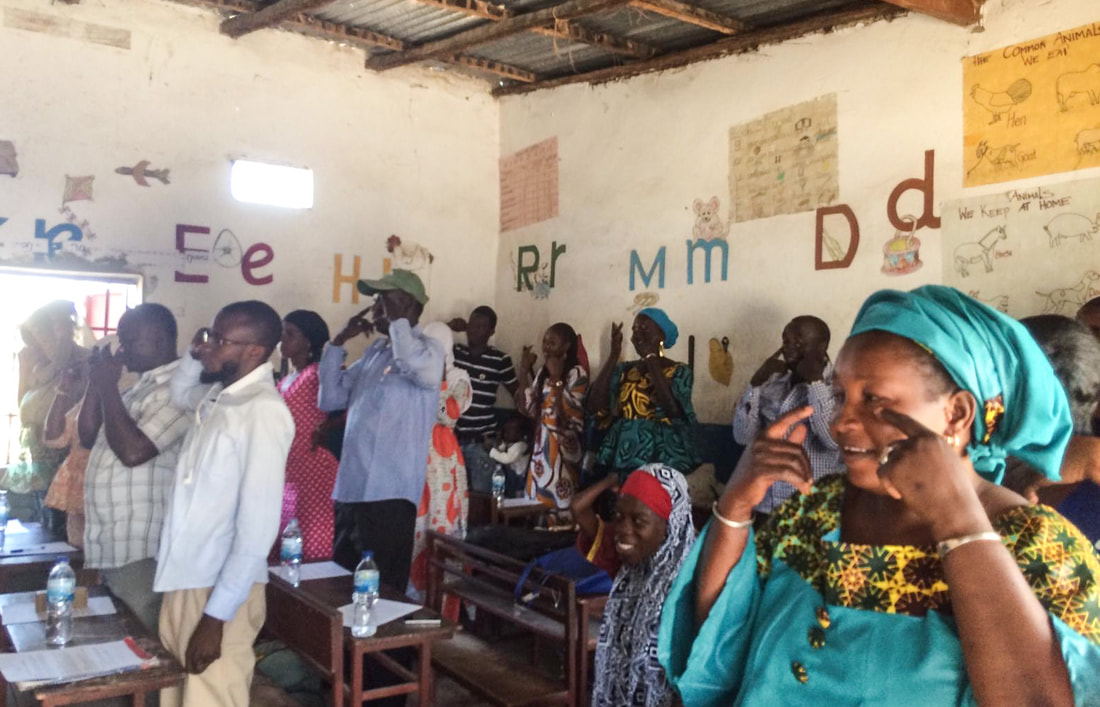
Among the seminar activities, the teachers were asked to take turns to sing with their pupils, as a way of livening up a possibly sedate lesson. They were almost dancing as they weaved around the desks!

The teachers also took turns at pretending to be disruptive children – practising some of their newly acquired skills in dealing with such classroom behaviour.

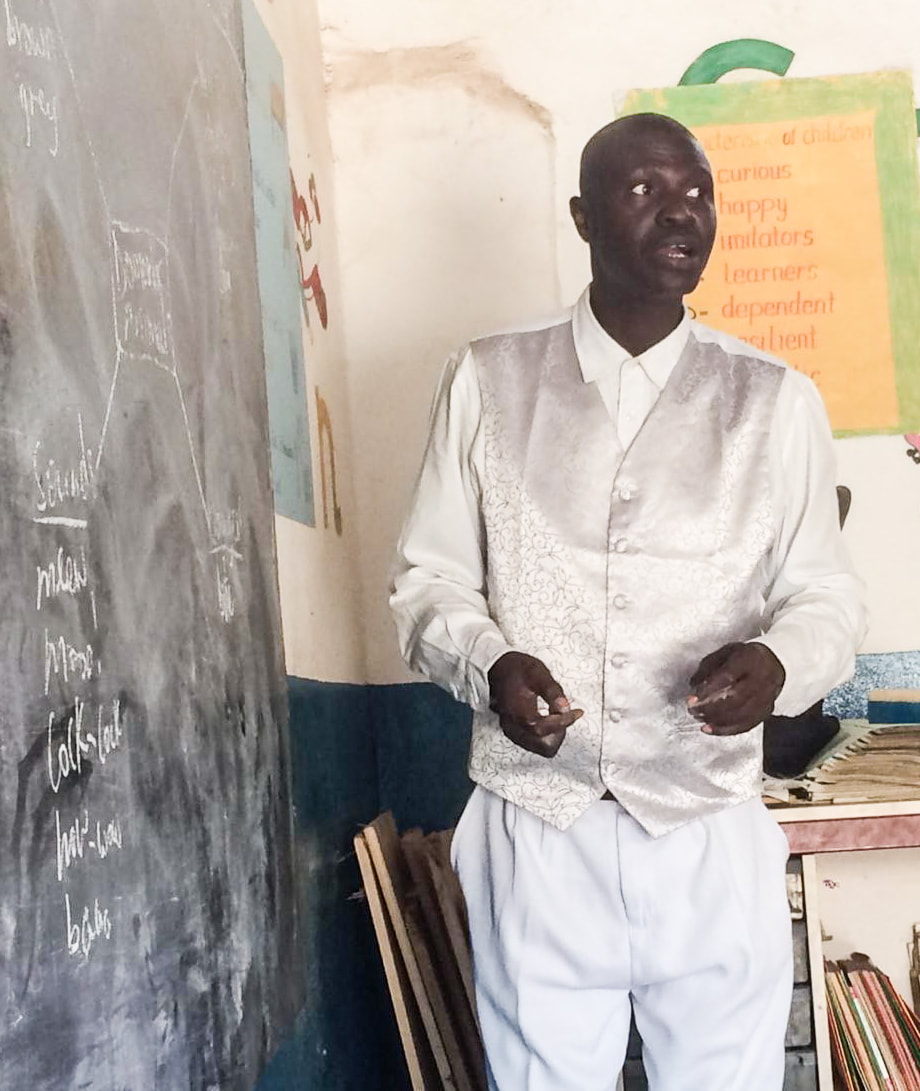
Mr Ousman Trawally, Head of ECD [Early Child Development] at SBEC International School, led the Saturday session. He travelled especially from Basse, on the south bank of the River Gambia. Engaging him was quite a coup as he’s well known in his field and much sought after.

His last words to the teachers were: If you are a truly gifted teacher you can teach with no resources at all.

Picture

A special addition to the seminar came when Kemo announced the African Oyster Trust’s first Teacher of the Year award. Kemo used the opportunity to inspire the other teachers to emulate the good work of Pa. Further, the importance of being good role models for young children, and passionate about their work.

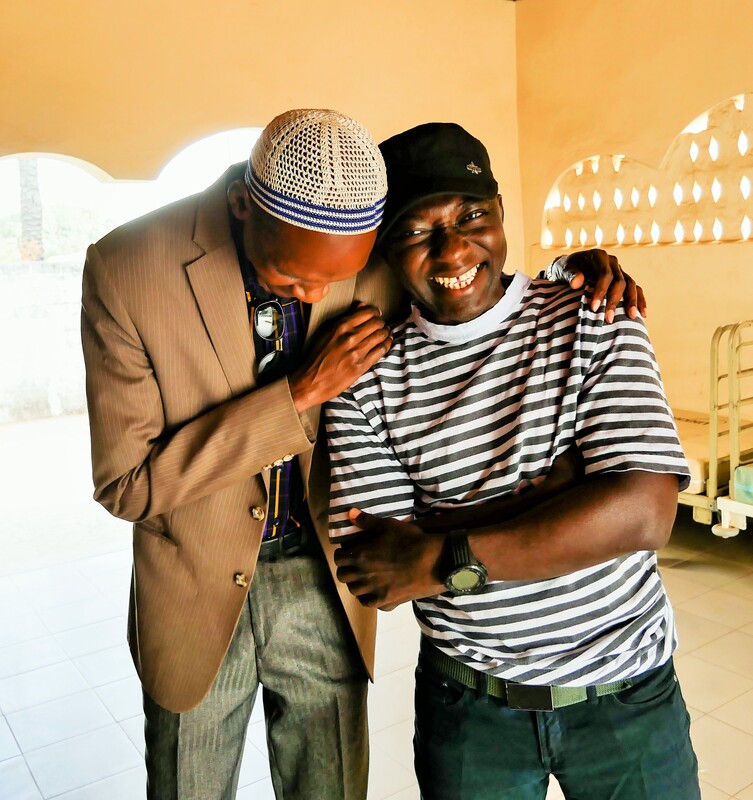
This award scheme, devised by two UK Friends of the Trust, goes to Alhasan Jarju (widely known as Pa).

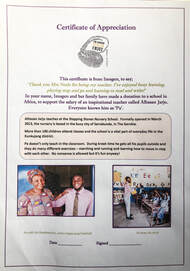
The beauty of the award, if it becomes an ongoing initiative, is that it would benefit Gambian nursery teachers and UK nursery teachers. Pa, for example, will enjoy the accolade of his award, together with a one-off financial recognition. In the UK, a teacher will receive a Certificate of Appreciation, in the words of a nursery pupil. And in that teacher’s name, a donation will be made to an inspirational teacher in Gambia.

Later, Pa said: I was so very happy and surprised. My colleagues said I deserved it. Of course, I pointed out that being the 1st Teacher of the Year didn’t mean I was better than them. Just that I was better this year! I think it will make them strive to achieve this too.

Finally, Kemo and the teachers sent their appreciation to all those who supported the funding for this training.


“To make a difference” – nursing with the Trust in Gambia

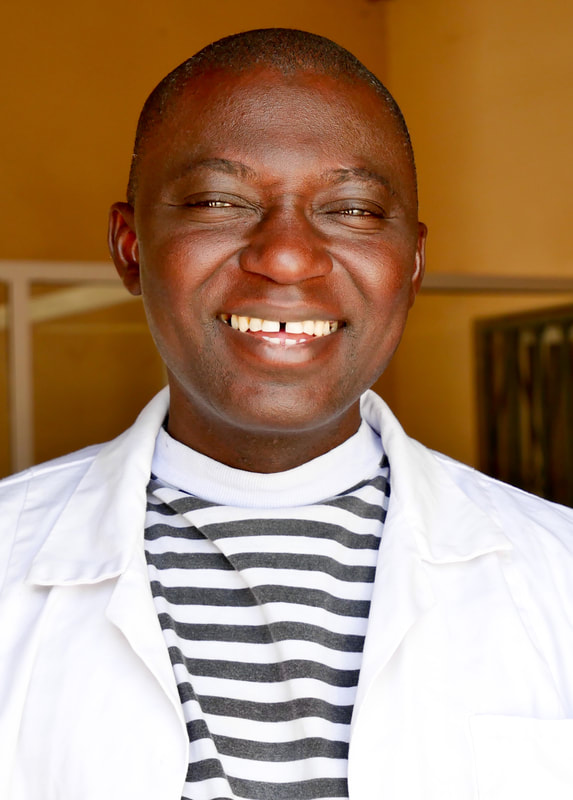
On her recent visit to Gambia, Dee Bixley interviewed nurse Dembo Njie’s about his journey to the Trust’s Wellingara Clinic.

How did your nursing career begin?

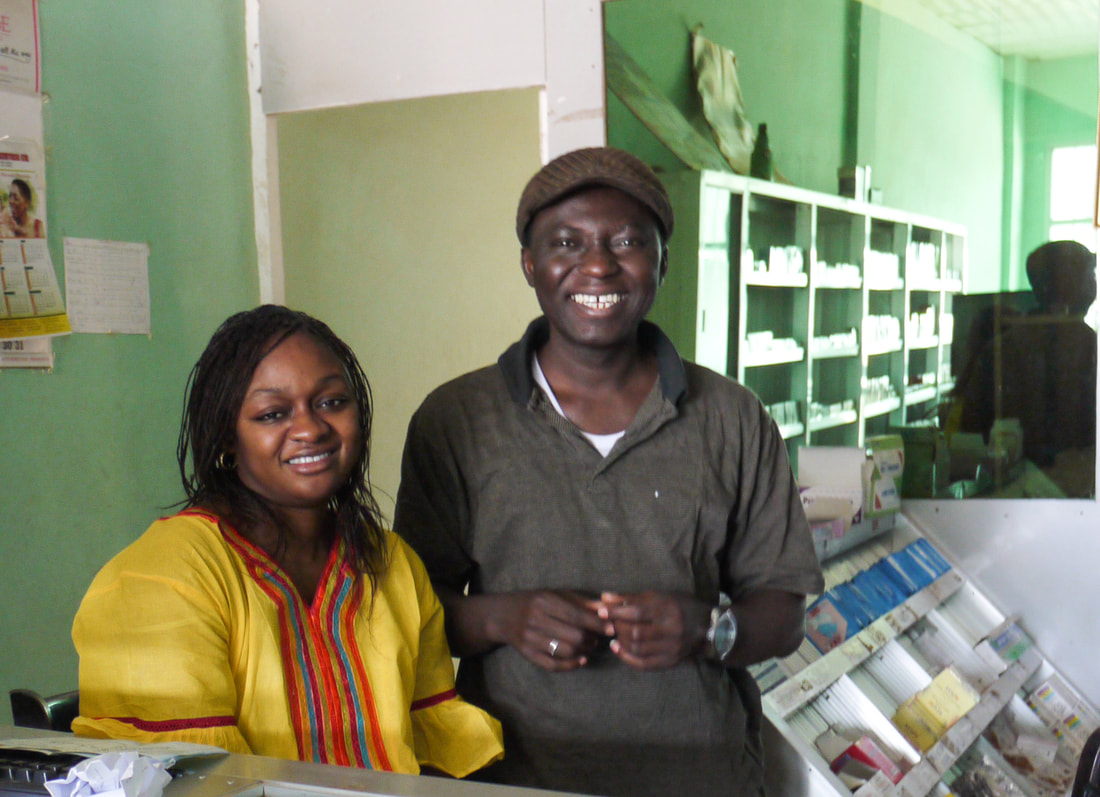
I studied for three years at the School of Nursing, for my SRN [State Registered Nurse] and passed all examinations. Then I was employed by the Government at Basse Hospital, where I worked for seven years. For three of those years I was in the Pharmacy, dealing with outpatient emergencies, and gaining excellent pharmaceutical experience.

Then one day the Pharmacy Director told me he planned to open his own pharmacy and he’d like me to join him. It would mean that I’d have to quit working for the Government, but I thought Wow: he must think well of me! It was an interesting opportunity – so I agreed and left the Government.
It took us about three months to prepare and stock the pharmacy, in the Kombo area of Banjul. I became Senior Manager and worked there for ten years.

Do you remember when you first met Kira?

Oh yes! I met Kira when she came to the pharmacy to purchase wholesale medicines. My boss knew her well and told me afterwards that her husband had passed away. I was struck by the way she knew Gambians, the way she spoke about them, wanted to help them.

Over the years whenever she went to the UK she would leave cash with me. This is for my people, she’d say. It was Kira’s way of making sure that if her neighbours needed help, and couldn’t afford medication, there would be money here waiting. I told my brother: This Kira – she is our sister! She is Gambian!

I have heard it said that people love you. Why is that?

When it comes to health, I respond promptly and do my utmost, whatever the ailment is. If there’s a social problem – for example a wound – there are different sorts of wounds and some need daily attention. If they are infected, I act immediately and monitor them. When I see crazy wounds, I get crazy about curing them. I think that’s why people love me – When Dembo touches us, we are well again!

During the rainy season, malaria, pneumonia, gastro-enteritis and malnutrition are rampant and the Clinic is full. January, February and March are quieter months, but we always aim to meet our targets.

How did you react when Kira asked you to leave the pharmacy and run a Health Clinic for the Trust?

That blew me apart. The thought of leaving the Banjul people was very difficult, and they didn’t want me to go. They couldn’t understand why I was even thinking about it. But finally, I realised: this is about me! I am a nurse! I wanted a nurse’s challenges again; to use my knowledge and make a difference.

When I came here to Wellingara Clinic things changed – let’s just leave it at that! We took over from another charity and the place was sinking. But in our first month the patient numbers increased hugely and that continues. People have confidence in us. I always say to the team: Let us do good for the patients and they will always come back to us.

A few people complained that the medication cost too much – but they became well! So now they say, It might be expensive but it’s very good! It has been a remarkable turnaround and the patient numbers are still going up and people are confident.

What would you most like to see achieved for the health of Gambians?

My wish is for Gambians to realise the importance of sensitization. Getting regular health check-ups at your nearest health centre or clinic this is crucial. And not to be scared, because if there is something that needs attention, it is best to catch it early. I cannot stress this enough.

Is it helpful to have a healthy sense of humour in Gambia?

Definitely! Humour is essential in The Gambia! Thank you, Dee! Continue your efforts!

THE BIG GIVE ChristmasChallenge19 a breakfast for every nursery school child

The African Oyster Trust is delighted to be taking part once again in the Big Give ChristmasChallenge19. Our aim is to raise enough money to provide a school-day breakfast for every child in one of our nursery schools for an entire year.

The Big Give, the UK’s biggest online match-funding campaign, starts at 12pm (midday) Tuesday 3rd December and runs until 12pm Tuesday 10th December.

Any donations made to the Trust during this period through www.theBigGive.org.uk will be matched by supporters including the Friends of The Reed Foundation; meaning that every pound you donate will be DOUBLED! So a gift of £10 will become £20, £50 will become £100, and so on for donations up to our campaign target of £2,000.

Average income in The Gambia is less than £1 a day, and the cost of rice, bread and other essentials have all sky-rocketed in recent times. As a result, many children are arriving at our schools hungry and malnourished. A simple porridge breakfast every school morning will mean that the children can start their day with a full stomach and ready to learn.

Breaking the cycle of poverty

The African Oyster Trust was founded to support education and health projects not funded by the government. We believe that education is one of the most powerful and long-lasting ways of breaking the cycle of poverty.

Unfortunately, when children arrive at school without having had anything to eat, it badly affects their levels of attention and ability to learn. We want to ensure the children can concentrate properly and benefit fully from the educational experience by providing a simple breakfast at the start of every school day.

Turning porridge to knowledge

The funds from the Big Give Christmas Campaign will allow us to set up a kitchen at the nursery so that every morning when they arrive the children are given porridge. The cooks prepare it runny enough to be served in plastic cups. This simple breakfast, combined with our nursery education, really will give these children a better start in life.

It is a simple yet effective way to make a real difference in The Gambia.

Initially we intend to pilot this initiative in one school in order to measure success. The first target is therefore to raise enough for the first year of the project – £1,600 to pay for a year’s ingredients, firewood and wages for a cook, plus the initial cost of pots, pans and utensils.

But of course we want to exceed that target if we can! First, it is vital to ensure we can sustain the project beyond the first year, and second we want to be able to roll it out, if successful, to other African Oyster Trust nursery schools.

Making a Difference

No one can explain how big a difference your support makes better than the people who are most closely involved with our work.

“The African Oyster Trust’s work has transformed the welfare of people in the district and beyond.”
– Chief Alhagie Dampha

“In the 15 years that AOT has been running it has helped hundreds of children get a good start. There are now 18 year old young men and women, who learned at the nurseries, leaving school and college. They are literate and getting jobs, so breaking the cycle of poverty”
– Lady Kira Dalton – Trustee

“The African Oyster Trust is a remarkable charity. All its work is funded by voluntary contributions. It has zero overheads. ALL the donations go to support the people and projects that need it most. You can be sure that every penny you donate will be put to good use.”
Jackie Keyser, donor

Please support The African Oyster Trust Big Give Christmas Challenge if you can, by donating via the Big Give website between 12pm (midday) Tuesday 3rd December and 12pm Tuesday 10th December. Remember, by taking part in the Big Give Christmas Challenge your donation will be match funded and doubled, giving it twice the impact!!

Thank you.

Drumming up funds for the African Oyster Trust

Join us for a taste of The Gambia at St Mary’s Church, Tysoe on Friday 7th June 7-9pm.

Enjoy Gambian inspired paella fish supper + ‘Drums Aloud’, a talented group of musicians will be performing West African drumming (djembe, dundun & balafon).

Come and try drumming!

Tickets: £10 each includes fish supper, glass of wine or soft drink. Children £2.50 each.

To book call: 01295 680793 or email shirleymgcherry@gmail.com.

Raising funds for the African Oyster Trust, providing healthcare and preschool education in The Gambia, West Africa.

Five years’ headway for the African Oyster Trust Psychiatric Programme

PictureKira & Marabout Karamo, 2014

A highlight of our first trip to the Trust’s projects in February 2014 was visiting the Jappineh Health Centre and meeting the delightful staff.  Nearby, there is a health facility of a different kind and Kira, aware of my interest in mental health, has arranged a visit there too.  It is owned by the Njie family.  


The Njie brothers, Karamo and Mdemba, are marabouts – also known as ‘traditional’ doctors.  Njie men have treated mentally-ill patients for 350 years.  Their healing powers are inherited, and herbs grown on their extensive land are used as remedies for patients.  When these are ineffective, the brothers resort to a rigorous, physical approach.


Alhaji Karamo, the most renowned brother, greets us enthusiastically.  Tall and flamboyant, he sweeps ahead to show us around.  Alas, we are permitted to see few patients.  Rumours about Njie patients being shackled and whipped are uppermost in my mind and, I’m sure, in Kira’s too.


We are then ushered into Karamo’s office.  Through the interpreter we brought with us, Kira stresses the efficiency of Western medicine for psychiatric disorders.  She has addressed this matter with the brothers many times.  Amazingly, Karamo is now accepting that his herbs can’t cure every condition.  He is asking for help. As we walk back to the Health Centre, we marvel at this breakthrough.  


A few days later we visit the only psychiatric hospital in Gambia.  Opened in 2009, Tanka Tanka is named after the Dutch Foundation that largely funded it.  Anna Bouman, Founder & Vice President, is a friend of Kira’s.  


There are no psychiatrists in Gambia, but the secondment of a Cuban psychiatrist has been a bonus for Tanka, albeit brief.  The buildings encircle a large outside area, where patients are mingling with others or sitting quietly alone.  As we amble across to the male wards, a girl slips in beside me and links her fingers through mine.  We continue this way until she loses interest and veers off elsewhere.  Another patient howls her misery, eventually collapsing into the arms of a kitchen lady.


***


Back in England, we soon receive Kira’s ‘Preliminary Ideas’ document for the Trust’s psychiatric programme and we pore over it avidly.  It is a thesis!  Every possible factor has been thought through.  For example, a Jappineh Health Centre nurse will be trained by the Tanka Community Mental Health Team; that team will also visit the Njie facility on a monthly basis, and their transport costs and other allowances will be covered.  Kira senses that the Tanka team will relish the opportunity to make an impact at the Njie establishment.  


We are very happy to fund the beginnings of this pioneering initiative for Gambia’s mental health, including the cost of psychiatric medicine.  


A month later we hear that Karamo Njie is in prison, having allegedly murdered a patient by caning him to death.  If ever there is a time to redress the treatment of mental illness in Gambia, this is it.

Kira succeeds in securing the counsel and ongoing guidance of the World Health Organisation (WHO).  Their Country Facilitator for the Mental Health Leadership and Advocacy Programme (mhLAP), Dawda Samba, is a huge asset.  We are sent the 1st issue of Dawda’s newsletter Drop the Chain and Cane.  The title alone is spine-tingling in its intent.  


This excerpt shows Dawda’s 4 phases.
Minutes of the Gambian Management Team meetings include updates on the psychiatric programme and for the most part they convey steady progress.  The Tanka Tanka outreach team run ongoing and successful joint training sessions with Health Centre staff and the Njie family.  A sticking point, however, is the family’s reluctance to contribute towards the purchase of psychiatric drugs, and to contribute towards the services offered to them by Modou Jobe, the nurse assigned to administer the injections.  These entirely reasonable expectations are at last (albeit reluctantly) accepted. The Njie family has seen the effectiveness of the drugs on their patients and has at last consented to contributing their quota, thus securing sustainability.  


Shortly before my visit to the projects in January this year, Dawda Samba went to the Njie hospital to ascertain the prevailing situation.  His report ends: Patients are no longer put in chains, caned, or locked in.  Their rooms look reasonably neat and clean.  There was evidence that a closer collaboration between the HC and the marabouts is being fostered, based on mutual understanding.  


African Oyster Trust’s work for the treatment of mental illness in Gambia remains the only collaboration between Western nursing and medicine, and the traditional methods of marabouts.  Medical history is being made by a small charity that dares to innovate.

My Court ‘Gambia Experience’

This is the final of four articles from Trust director Dee Bixley, reflecting on her recent visit to our projects in The Gambia.


Pursuing a longstanding land dispute case on behalf of donors to the Trust, Kira has received notification to attend court at 10am on Wednesday. I must attend too, she says, because it will be an excellent addition to my ‘Gambia Experience’.


General Manager Fanding has driven us here and he will help with translation. We arrive spot on time.


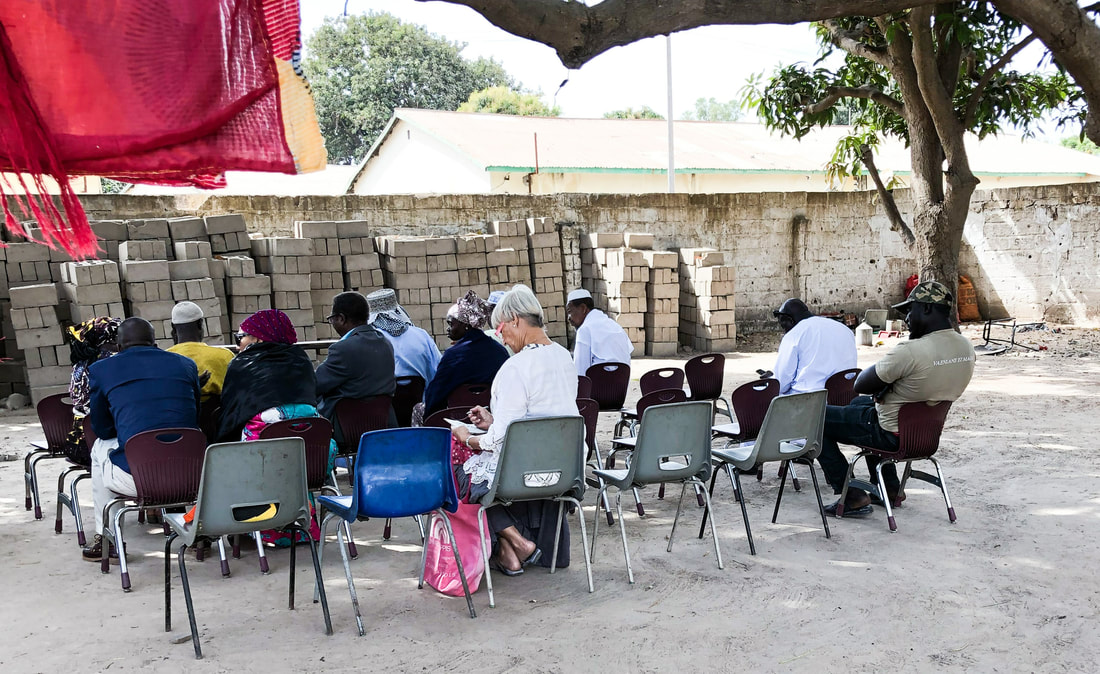
Naively, I’d assumed there would be some sort of Court building but as we walk into the Chief’s compound, I see rows of plastic chairs under the mango trees and realise this is Court. The chairs are empty and yet their presence does suggest that something will happen, sometime.


Gradually people do arrive, greet friends, sit down, have a chat or a nap. There’s an overwhelming air of resignation.


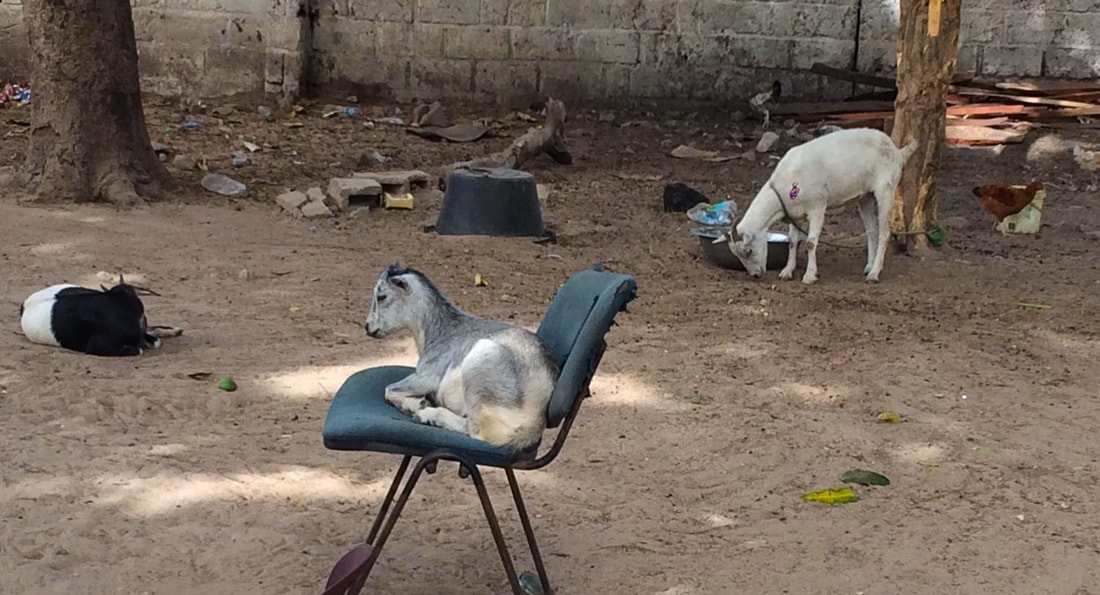
Meanwhile, all around and seemingly oblivious of our presence, the women of the compound go about their unceasing work, collecting water, pounding grain, hanging out washing – whilst tiny tots play in the sand, and goats, hens and chicks weave in and out of the chairs.


I find myself thinking about an old Fry’s chocolate advertisement for Five Boys: Desperation. Pacification. Expectation. Acclamation. Realisation. It’s Fry’s.

Three hours later, when the Court Clerk arrives, I have my Fry’s moment, entering what I can only describe as a state of ecstasy. OK it isn’t the Chief himself, but something is happening! I watch as the Clerk carefully dusts the table and then – is it him or the Court Usher – who wheels in the special Chief’s chair? And where did the Call to Prayer fit in? When you’re ecstatic you tend to lose track of the order of things. Meanwhile, Kira continues with her crosswords.


Fifteen minutes later the Chief himself arrives and tackles the first case of the day; witnesses bob up and down stating their evidence, and documents are scrutinised. Then, four hours and twenty minutes after we arrived, the morning session is over. Amazingly, Kira is beckoned forward and given a future date for her diary. She seems quite pleased. This Gambia Experience, it’s exhausting!

First Aid at Kira’s

This is the third of four articles by Trust director Dee Bixley, reflecting on her recent visit to our projects in The Gambia.


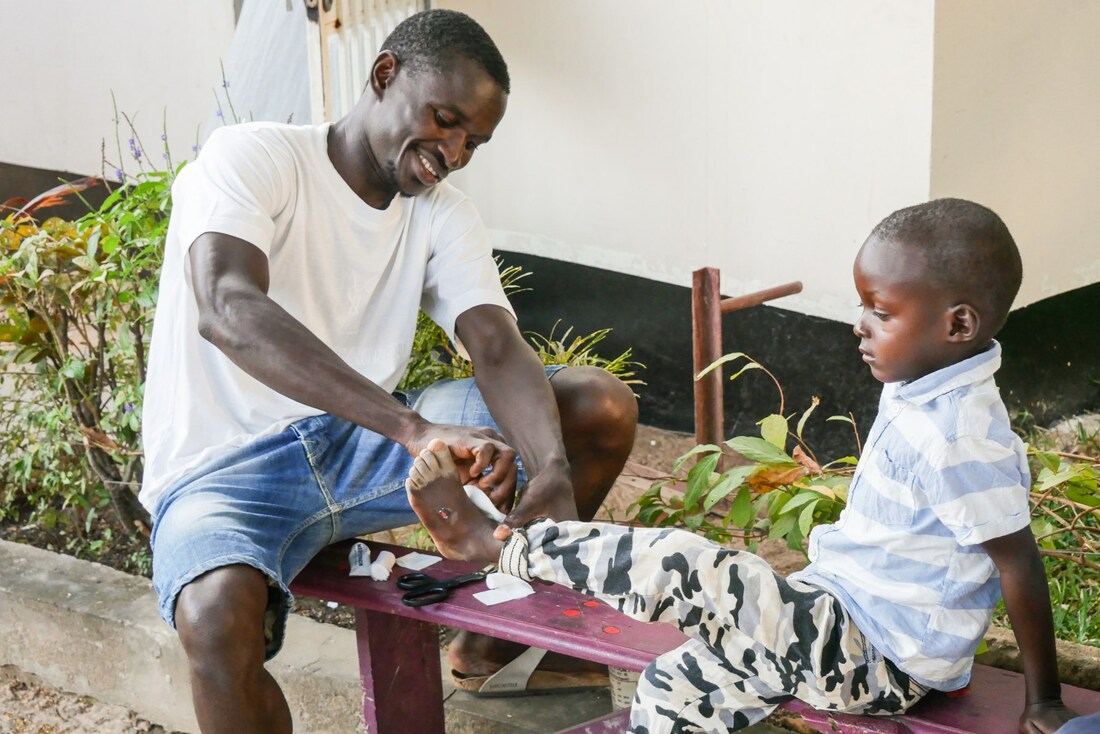
One of the heart-warming aspects of Kira’s largesse is that everyone in her neighbourhood know that she’s there when they need help.  If a family can’t afford to pay for a prescription or they can’t get to a medical centre, Kira or her watchmen – all experienced first aiders – step in.  They have dealt skilfully with all manner of emergencies over the years.


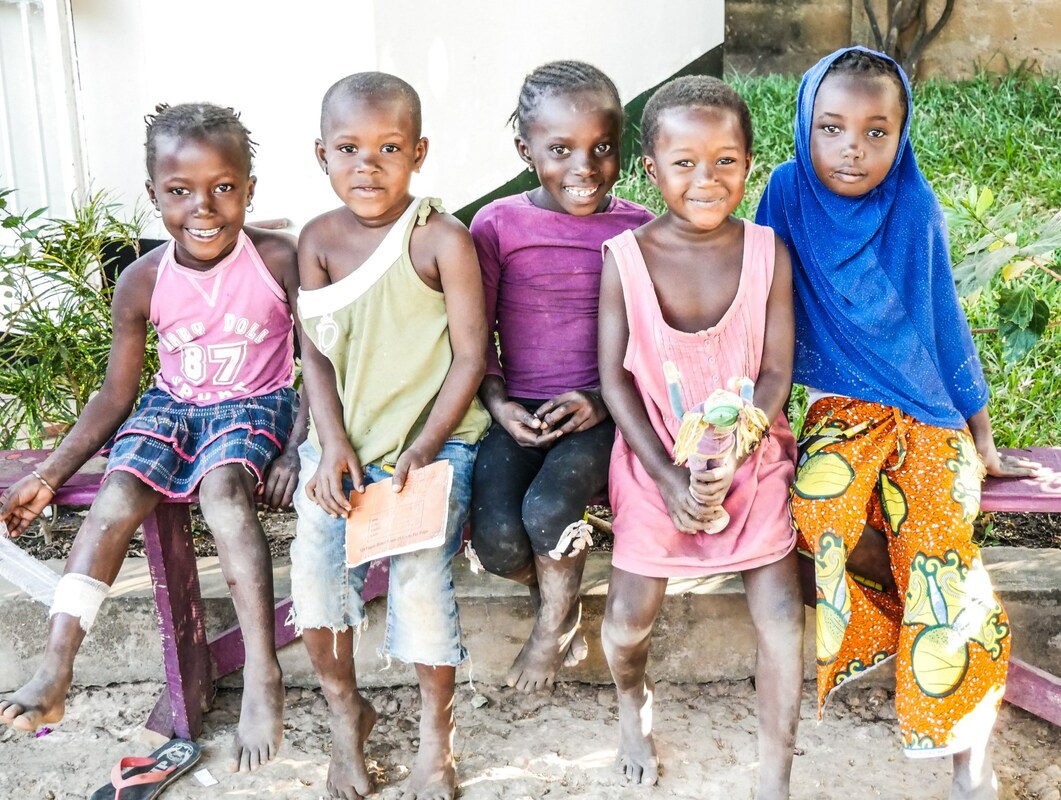
I was there when the little girls, pictured here, came to support their friend, while her wound is checked, and bandage replaced.  A minor matter, perhaps, but their big smiles tell the story.  


Urgent knocking at the gate can occur at any time of day or night.  Late one afternoon, I happen to be nearest the gate – what calamity will I face?  


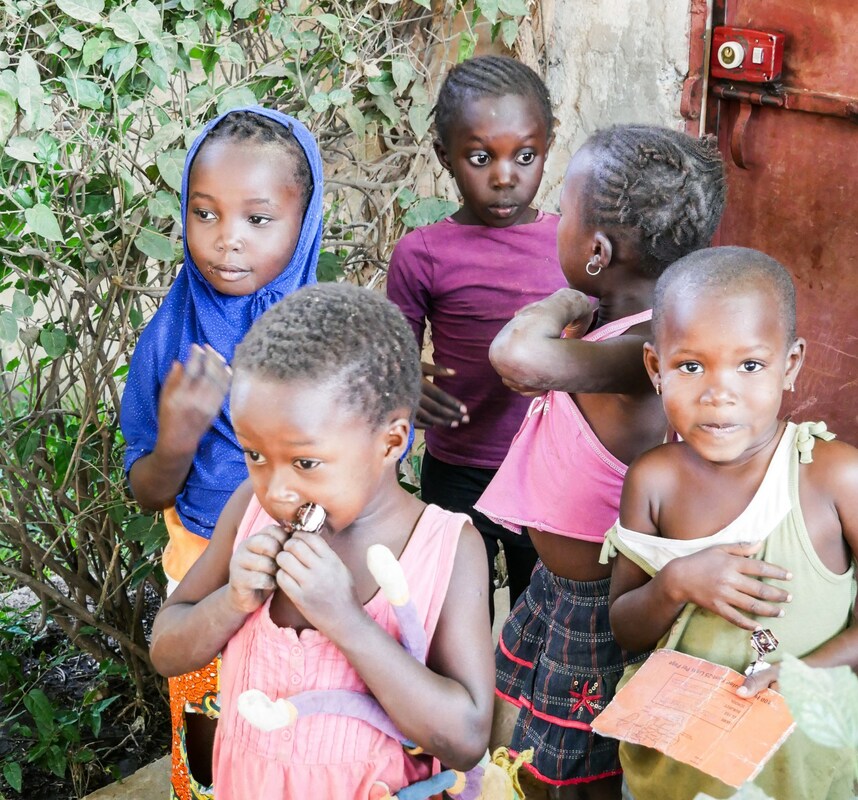
Three attractive young girls stand before me, looking robustly healthy to my untrained eye. They seem disappointed at the sight of me but then Celberr appears and it’s fascinating to watch the fluttering of their extension eyelashes. One girl makes a show of putting a hand protectively over her arm, but we hear later that there was nothing to be seen on her arm.  


My theory is that they came to admire Celberr and, well, who can blame them?!

Keys, lights, action

This is the second of four articles, as Trust director Dee Bixley reflects on her recent visit to our projects.


We have booked a two-night stay at a modest guest house in Soma near Jappineh.  On arrival, we find the staff dazzled by the upcoming opening of the nearby Senegambia Bridge.  A momentous achievement, it promises to end centuries of trade chaos, and has taken 7 years to build.  Not surprisingly, journalists and photographers have been jostling for rooms, which is why (we discover later) our rooms for tomorrow have been double-booked.


Meanwhile, we surrender to our parts in a situation comedy.   My role has three room changes because the keys don’t fit or don’t lock or there’s no lighting.  So, I flit about unpacking, packing, unpacking and although it’s a non-speaking part I do indulge in some fruity ad-libs.


Kemo’s role is that of a gentleman, which requires no acting skill because he’s like that anyway.  As for Kira, she merely gives one of her famous shrugs and remains sanguine throughout.   


Strangely, my third room is behind fretwork bars, with a door that also has keys.  Kemo wants to make quite sure that my door key will work this time, so I proudly demonstrate my ability to double-lock.  We both jump in horror when the door swings open anyway!  Still, I’ll be safely behind bars.  


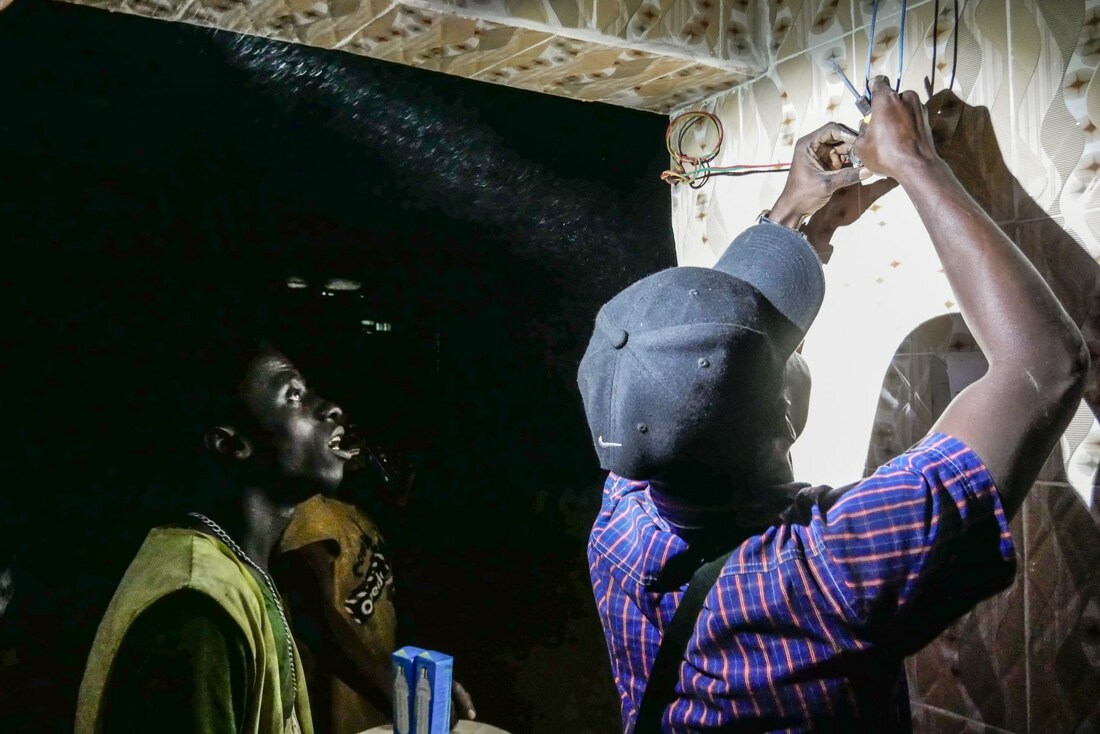
As we eat our evening meal, huddled on a tiny balcony, we receive light entertainment from the electricians alongside. 

Did you know that roosters can crow all night? is our question to each other over breakfast.  And who would want a second night being kept awake by them?  We’ll squeeze in more meetings today and drive back to Kombo later.  


As we get ready to depart, it is Kira’s turn to lose track of keys: her car keys.  Without them we are stuck!  Happily, she finds them in her handbag, and we drive away from the place.  Kemo shakes his head in bewilderment.  Did that madness really happen? he asks, as he forages for his phone – whoops!  He’s left it in his room.